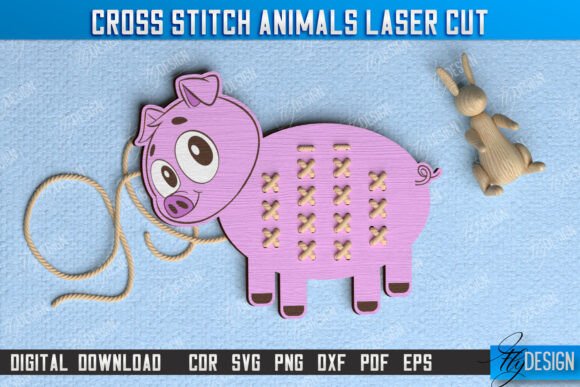
Cross Stitch Pig Montessori Lacing CNC Review
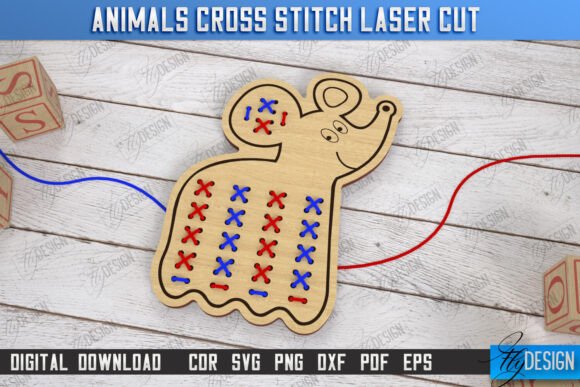
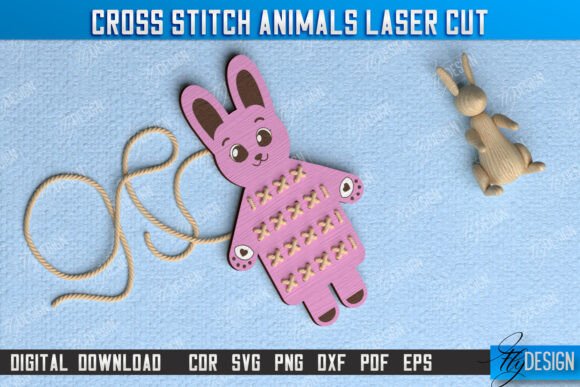
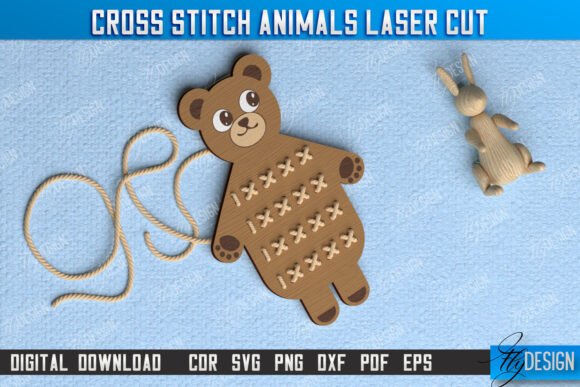
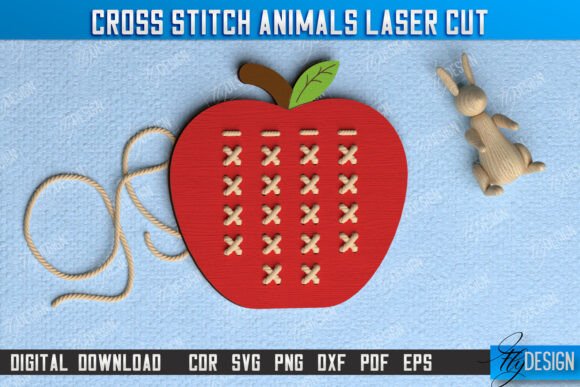
As an embroidery designer preparing for a busy weekend craft fair, I am constantly evaluating which digital assets will translate best into physical sales. When reviewing the Cross Stitch Pig Montessori Lacing CNC file, my perspective shifts from purely aesthetic to commercially viable. This design sits at a unique intersection of categories; while listed under Other Toys Games and intended for Laser Cutting, its visual language speaks directly to the fiber arts community. For Etsy sellers, boutique makers, and creative entrepreneurs, this file offers a distinct opportunity to bridge the gap between laser-cut wooden toys and soft textile goods.
First Impressions: Rustic Charm Meets Educational Value
My immediate reaction to the Cross Stitch Pig Montessori Lacing CNC is that it embodies a modern farmhouse aesthetic with a playful, educational twist. The cross-stitch motif inherently suggests texture, warmth, and handmade quality, even when executed via laser engraving or machine embroidery. Unlike generic cartoon pigs, this design feels intentional and structured, appealing to parents seeking Montessori-aligned products. For a craft fair booth filled with embroidered tote bags, aprons, and tea towels, this design provides a necessary break from standard floral or monogram patterns. It signals to customers that your shop understands developmental play, adding intellectual value to the visual appeal. The bold lines typical of CNC files ensure the silhouette remains readable from a distance, which is critical for catching the eye of passersby in a crowded market hall.
Best Applications for Textile Products
While the product description highlights red lines for cutting and black lines for engraving on laser machines, an experienced embroiderer sees the negative space and outline potential for needle and thread. Here is how I evaluate this design for specific handmade products:
- Tote Bag Design: This is arguably the strongest application. A natural canvas tote featuring the pig outline in dark brown thread creates a premium, eco-friendly look. The geometric nature of cross stitch translates beautifully to fabric, making it a standout tote bag design for farmers' markets.
- Apron Embroidery: For kitchen wear, this design works exceptionally well as a chest logo or lower pocket accent. It appeals to home cooks and bakers who appreciate rustic decor. Because the design is likely composed of straight lines and grids, it minimizes puckering on denim or canvas aprons compared to dense satin stitch designs.
- Tea Towel Embroidery: Linen and cotton tea towels are craft fair staples. The Cross Stitch Pig Montessori Lacing CNC motif pairs perfectly with waffle weave or flour sack towels. However, because lacing cards rely on precise holes, embroiderers must adapt the "holes" to be open cutwork or clearly defined circles to maintain the lacing concept visually without compromising fabric integrity.
- Embroidered Patches: Given the distinct outline, this file is ideal for creating merrowed-edge patches. These can be sold as standalone items or applied to caps and pouches. The high contrast required for laser engraving usually ensures excellent digitizing clarity for patch production.
Production Practicality and Booth Display Strategy
When stocking a booth, efficiency matters. I assess whether a design is repeatable for batch production. The geometric simplicity of the Cross Stitch Pig Montessori Lacing CNC suggests it is highly efficient to stitch out. There are likely fewer jump stitches and trims than complex illustrative designs, reducing production time per unit. This makes it a profitable small shop product where margins matter.
For booth displays, this design serves as an excellent anchor for an "Educational Play" or "Farmhouse Nursery" collection. Placing finished embroidered samples next to printable mockups helps customers visualize customization options. As an Etsy seller, you can leverage the dual nature of this file; photograph the laser-cut wood version alongside the embroidered textile version to dominate search results for both keywords. The visual consistency between the hard good (wood) and soft good (embroidery) strengthens brand identity and encourages bundled purchases.
Critical Technical Considerations for Embroiderers
Despite its charm, adapting a CNC laser file for commercial embroidery requires caution. Laser files prioritize continuous cutting paths, whereas machine embroidery design relies on stitch direction and density. Before listing this as a finished product, consider these technical constraints:
- Stitch Density and Fabric Texture: If the original file includes intricate internal details meant for laser etching, these may be too fine for thread. On textured towels or thick canvas, tiny details get lost. You may need to simplify the design or increase spacing to prevent thread breaks and poor registration.
- Hoop Size and Stabilizer: Verify the dimensions before purchasing. A lacing card design needs to be large enough to be recognizable but small enough to fit standard hoops. Always test on scrap fabric using the appropriate stabilizer; tear-away is usually sufficient for cross-stitch styles on stable fabrics, but cutaway is safer for stretchy materials.
- Thread Colors and Contrast: Laser engraving relies on burn marks for contrast. Embroidery relies on thread sheen. Ensure your thread colors provide enough contrast against the base fabric. A dark grey thread on navy fabric will fail, whereas cream on navy will pop. Create at least one real mockup to confirm visibility.
- Small Lettering and Details: If the design includes text like "Montessori" or "Lacing," check the font size. Anything under 4mm height risks illegibility in embroidery. You may need to remove text and rely solely on the pig icon for smaller applications like caps or pockets.
Designer Notes for Commercial Success
To maximize the ROI on the Cross Stitch Pig Montessori Lacing CNC digital embroidery file, treat it as a foundational asset rather than a final product. Test the design extensively. Check commercial licensing terms specifically for embroidered goods, as some CNC designers restrict usage to laser cutting only. Confirming this protects your business.
Furthermore, use this design to tell a story at your craft fair. Signage explaining the Montessori connection adds perceived value. Customers aren't just buying a cute pig; they are buying into a philosophy of child-led learning. Whether you are producing embroidered patches, customizing market bags, or creating nursery pillow covers, this design offers versatility that few other animal motifs provide. By respecting the technical limitations of translating laser vectors to thread, you can create a cohesive, high-quality product line that stands out in the saturated handmade marketplace. Always remember to inspect stitch density and run a sample before committing to a full production run for your next event.