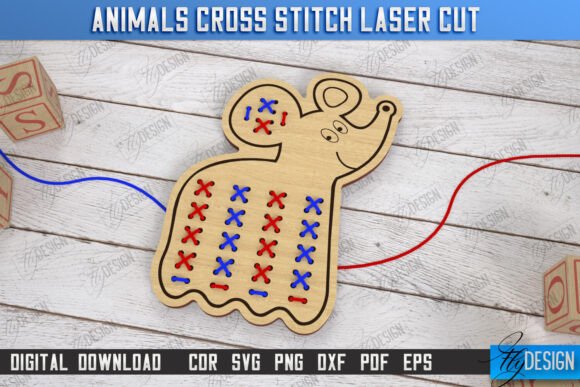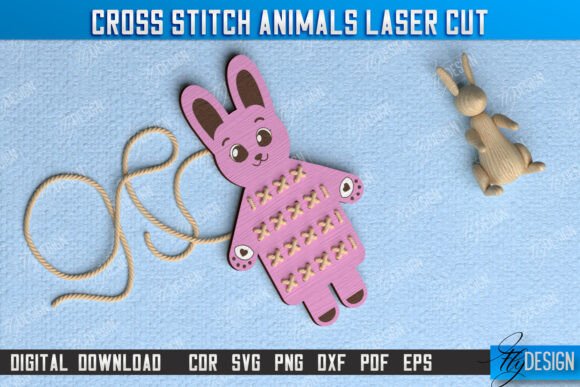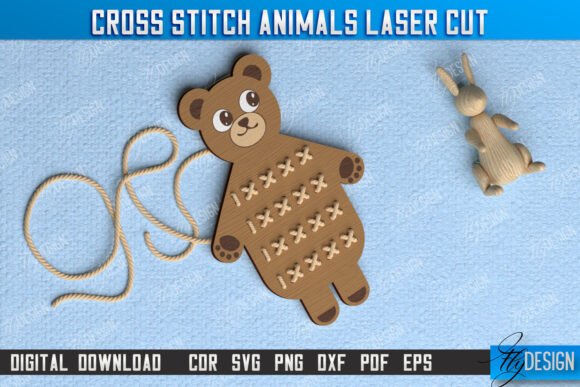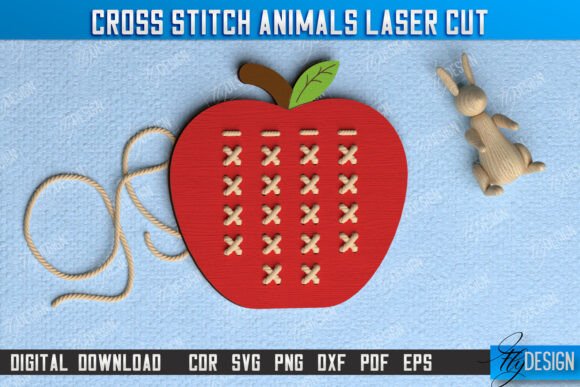
Cross Stitch House Montessori Lacing Review
As an experienced embroidery designer preparing for the upcoming holiday rush, I constantly evaluate new assets that can bridge the gap between digital files and tangible, sellable products. When reviewing the Cross Stitch House Montessori Lacing design, my primary focus is not just on its aesthetic appeal but on its versatility as a foundation for seasonal merchandise. While this product is technically categorized under Other Toys Games and marketed as a Laser Cutting CNC file with specific red cut lines and black engrave lines, I see immense potential for hybrid creation. For Etsy sellers and small business owners, this design offers a unique opportunity to combine laser-cut precision with the warmth of textile arts, creating a standout handmade gift for the holiday season.
Evaluating Seasonal Mood and Emotional Resonance
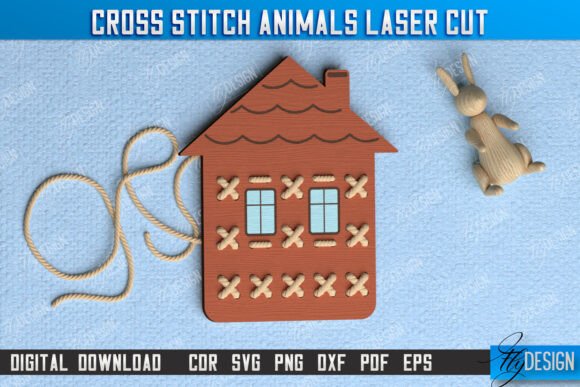
The first impression of the Cross Stitch House Montessori Lacing design evokes a distinct sense of nostalgic comfort. In the context of holiday embroidery and seasonal product planning, this is crucial. Shoppers are not merely buying an object; they are purchasing a feeling of safety, tradition, and playful learning. The architectural structure of the house suggests stability and home, making it emotionally resonant for family-oriented gifts. Unlike generic clip art, this design carries a rustic yet educational tone that appeals to modern parents seeking meaningful toys.
For apparel decorators and crafters, this emotional weight translates directly into product value. A sweatshirt featuring this motif feels like a cozy cabin retreat rather than fast fashion. When planning a limited-time product drop, the design’s inherent "cottage core" and Montessori aesthetics align perfectly with current market trends. It feels premium because it implies intentionality. Whether used as a standalone embroidered patch or integrated into a larger mixed-media project, the visual language speaks to buyers looking for authentic, personalized gift options that stand out amidst mass-produced holiday decor.
Strategic Applications for Holiday Product Lines
In real-world selling situations, versatility is king. As I map out my seasonal collection, I envision the Cross Stitch House Montessori Lacing design serving multiple revenue streams. Because the source file includes precise vector lines intended for laser cutting, smart creators can use these paths as guides for machine embroidery placement or appliqué templates. This hybrid approach allows for crisp edges on fabric that pure embroidery sometimes struggles to achieve.
- Sweatshirt Embroidery: Use the engraved lines as a guide for a tonal stitch-out on cream or sage green fleece. The result is a textured, high-end garment perfect for family matching sets.
- Kitchen Towel Embroidery: The house motif fits beautifully on tea towels. Pairing laser-cut felt backing with embroidered details creates a tactile experience that elevates a simple utility item to a cherished holiday hostess gift.
- Tote Bag Design: Canvas totes are holiday bestsellers. This design works exceptionally well here, especially if you utilize the CNC file to cut leather or vinyl accents that are then stitched onto the bag.
- Pillow Cover Accents: For home decor, the design serves as a central focal point. Its balanced proportions make it ideal for lumbar pillows, contributing to a cohesive seasonal interior theme.
- Educational Busy Books: Since this originates from a developing game concept, it is perfect for quiet books. Sellers can market finished felt pages or kits as screen-free holiday entertainment for children.
For Etsy sellers, listing photos should highlight this dual nature. Show the digital embroidery file mockup alongside the physical laser-cut prototype. This demonstrates expertise and justifies a higher price point for finished goods. Social media previews focusing on the "making of" process—showing the transition from red cut lines to stitched reality—generate significant engagement during the pre-holiday shopping window.
Technical Considerations and Fabric Limitations
Despite its charm, the Cross Stitch House Montessori Lacing design requires careful technical assessment before mass production. As a digital embroidery file derived from CNC data, users must verify compatibility. Always confirm the hoop size required for your specific machine before purchasing. Designs adapted from laser vectors can sometimes be deceptively large or contain minute details that do not translate well to thread without modification.
Stitch density is a critical factor here. If you are adapting the engrave lines into satin stitches or running stitches for fabric, test on scrap material first. Thick towels and plush fabrics may swallow fine details, rendering the intricate lacing holes or window panes indistinct. Conversely, on stretchy garments like knit caps or lightweight tees, excessive density can cause puckering. Proper stabilizer selection is non-negotiable; a cut-away stabilizer is often necessary for knits to maintain the structural integrity of the house shape after washing.
Be cautious with tiny lettering if the design includes any text elements. What looks legible as a black engrave line on a computer screen may become a muddy blob when stitched at 4mm height. In such cases, simplify the text or increase the size. Additionally, consider fabric texture. Dark fabrics require adequate underlay to prevent the base color from showing through lighter threads, which adds stitch count and production time. Always review small details after stitching a test run; what works for wood or acrylic does not always work for cotton or linen.
Enhancing Brand Value and Customer Trust
Incorporating the Cross Stitch House Montessori Lacing design into your seasonal lineup does more than fill a product slot; it reinforces brand consistency. Buyers return to shops that offer curated, thoughtful collections rather than disjointed items. By using this design across various mediums—from embroidered patches on denim jackets to decorative elements on table linens—you create a recognizable visual signature for your shop.
This consistency builds customer trust. When a buyer sees that you have taken a specialized CNC/embroidery asset and applied it with technical proficiency across different products, they perceive you as an expert. This perception increases the perceived value of your commercial embroidery and handmade gifts. Furthermore, offering a product that bridges the gap between toy and decor expands your demographic reach, appealing to both parents of young children and enthusiasts of traditional needlework.
From a marketing perspective, this design supports storytelling. You can narrate the blend of technology and tradition in your product descriptions. Explain how the precision of laser cutting meets the soul of hand-stitching. This narrative enhances giftability, as customers feel they are giving something with a story behind it. During the high-pressure holiday shopping period, products with clear emotional hooks and demonstrated quality convert better than generic alternatives.
Essential Designer Notes for Production Success
Before adding this to your shop, adhere to these practical protocols to ensure professional results:
- Verify Licensing: Confirm commercial licensing terms specifically for both the digital embroidery file and the CNC components. Ensure you are permitted to sell finished seasonal products derived from this asset.
- Thread Color Testing: Test thread colors on both light and dark fabric swatches. Holiday palettes often involve deep reds and greens that can bleed or look dull against certain backgrounds. Select high-sheen rayon or matte cotton threads intentionally to match the desired mood.
- Create Realistic Mockups: Do not rely solely on software-generated images. Stitch out a sample and photograph it in natural lighting. Printable mockups should accurately represent the texture and scale of the final piece to avoid customer disappointment.
- Check Machine Compatibility: Just be sure your cutting machine and embroidery machine can handle the specific file formats provided. The product description mentions RED lines for CUT and BLACK lines for ENGRAVE; ensure your software correctly maps these layers if you are combining processes.
- Plan Matching Palettes: Develop a coordinated color chart for the season. If you offer this design on multiple items, consistent thread colors help customers build matching sets, increasing average order value.
- Wash Test: If marketing this for baby items or kitchen linens, perform a wash test. Ensure the stabilizer holds up and the design does not distort after laundering. Durability is a key selling point for personalized gifts meant to last beyond the holiday season.
Ultimately, the Cross Stitch House Montessori Lacing design represents a sophisticated intersection of play, education, and craftsmanship. For the prepared embroidery seller, it is more than just another file; it is a catalyst for a warm, profitable, and creatively fulfilling holiday season. By respecting the technical requirements and leveraging its emotional appeal, you can transform this digital asset into a beloved staple of your seasonal collection.