Cross Stitch Apple Montessori Lacing Review
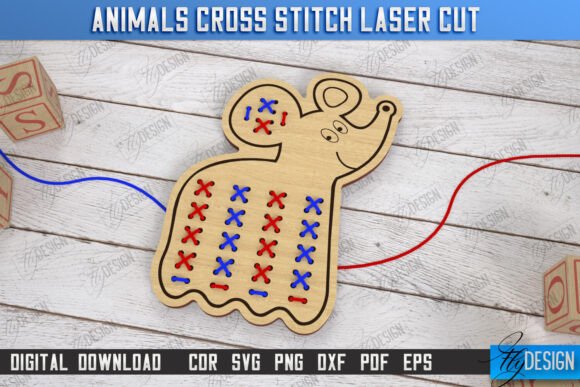
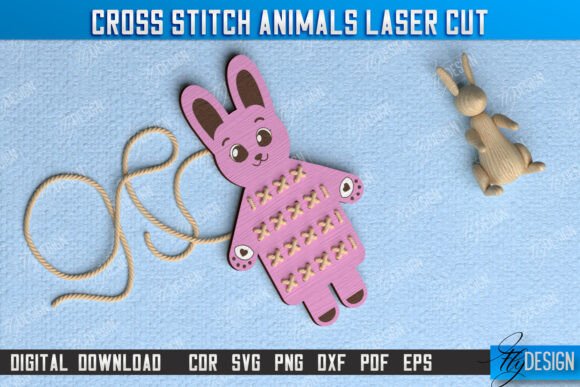
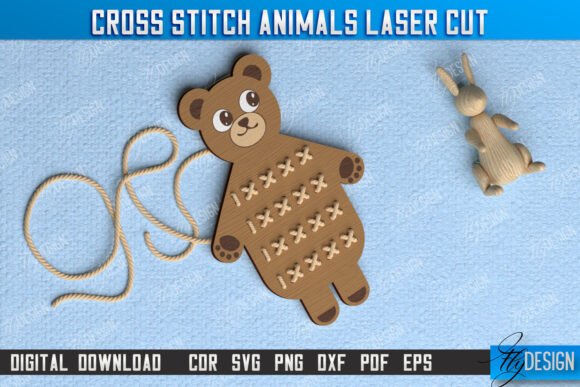
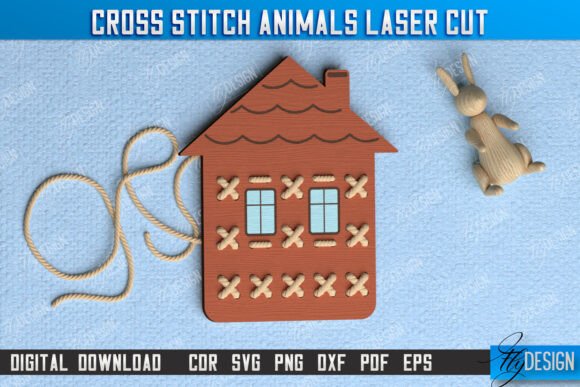
As an experienced embroidery designer curating a seasonal collection, I am constantly evaluating digital assets that bridge the gap between traditional needlework and modern fabrication. When reviewing the Cross Stitch Apple Montessori Lacing design for my upcoming holiday product line, I approached it not just as a graphic, but as a versatile component for mixed-media crafting. While this product is primarily categorized under Other Toys Games and optimized as a CNC file for laser cutting machines, its aesthetic roots in cross stitch make it a unique candidate for hybrid holiday projects. For Etsy sellers and handmade gift makers, understanding how to adapt this laser-focused design into textile applications is key to maximizing its seasonal potential.
First Impressions: Rustic Nostalgia Meets Modern Play
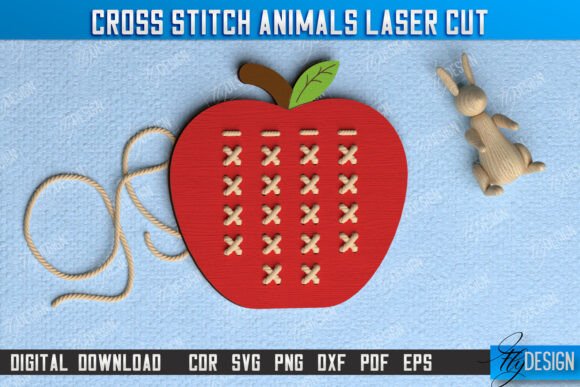
My initial assessment of the Cross Stitch Apple Montessori Lacing file reveals a design that perfectly captures the cozy, nostalgic mood essential for autumn and winter collections. The visual language mimics traditional counted thread work, evoking memories of heritage samplers and vintage educational toys. This emotional tone is incredibly valuable during the holiday shopping season when buyers seek items that feel authentic and warm rather than mass-produced. The apple motif itself is universally recognized as a symbol of learning, harvest, and wholesome family values, making it an instant winner for back-to-school transitions leading into Thanksgiving and Christmas.
From a decorative standpoint, the design balances playful geometry with elegant simplicity. It does not feel overly juvenile; instead, it possesses a refined rustic charm that appeals to adult buyers purchasing for children or for their own farmhouse-style home decor. As a digital embroidery file adaptation, this aesthetic translates beautifully because the "pixelated" nature of cross stitch aligns naturally with the grid-based logic of machine embroidery. However, because the source is a CNC file where red lines indicate cuts and black lines indicate engravings, the texture is implied rather than stitched. This distinction is crucial for designers planning to recreate this look using thread rather than wood.
Strategic Applications for Holiday Selling Seasons
In real-world holiday selling situations, versatility drives profit. I see immense potential for adapting the Cross Stitch Apple Montessori Lacing concept across multiple product categories. For apparel decorators, this design is ideal for sweatshirt embroidery on cream or sage green fleece. The structured, blocky nature of the apple motif sits flat and neat on heavy fabrics, avoiding the puckering issues common with complex fill stitches. It serves as an excellent centerpiece for family matching outfits or teacher appreciation gifts, which are high-volume sellers in Q4.
For home decor and gift-ready products, consider translating this design onto kitchen towel embroidery or linen pillow covers. The educational theme pairs wonderfully with "learning through play" messaging for new parents or homeschooling families. As a personalized gift option, the negative space within the apple shape or the surrounding border offers prime real estate for adding a child’s name or a holiday year. Small business owners can also utilize this motif for embroidered patches. Because the original file is designed for laser precision, the outlines are clean and distinct, making them easier to digitize into satin stitch borders for patches that can be sold as add-ons or stocking stuffers.
Etsy sellers should also consider the marketing angle. Even if you are selling the physical laser-cut wooden lacing toy, creating printable mockups featuring the cross stitch aesthetic can enhance your listing photography. Showing the design in a textile context helps buyers visualize the tactile quality of the product, bridging the gap between a digital download and a tangible handmade gift.
Technical Considerations and Fabric Limitations
Despite its charm, the Cross Stitch Apple Montessori Lacing design requires careful technical planning when adapted for needle and thread. Since the original asset is a CNC file intended for laser cutting machines, it lacks inherent stitch data. Designers must be vigilant when converting these vector lines into a machine embroidery design. One major area of caution is small hoop sizes. If you attempt to shrink this design down for a toddler’s bib or a cuff, the simulated cross stitch texture may become too dense, resulting in a stiff, bulletproof patch that is uncomfortable to wear.
Fabric texture plays a significant role in the success of this adaptation. On thick towels or plush minky fabric, the fine details of a faux cross stitch can get lost. I recommend testing on smoother substrates like quilting cotton, canvas tote bags, or tight-knit sweatshirts first. Dark fabrics present another challenge; while the high contrast of traditional cross stitch looks striking on navy or burgundy, you must ensure your digitizing software accounts for the optical illusion of thread crossing. Metallic thread, often used for holiday sparkle, should be used sparingly here. The geometric repetition of the apple pattern can cause metallic threads to shred or break due to excessive needle penetrations in a small area.
Furthermore, consider the end-use care. Items like baby bibs, aprons, and table linens require repeated washing. A direct conversion of a laser engrave line into a simple running stitch may not hold up to laundering. You may need to reinforce the internal details with a bean stitch or a heavier fill to ensure the design remains intact after the holiday season ends. Always verify commercial licensing before selling finished seasonal products derived from this CNC file, as terms for laser files sometimes differ from standard embroidery file licenses.
Enhancing Seasonal Appeal and Buyer Trust
The decision to include Cross Stitch Apple Montessori Lacing in a seasonal lineup goes beyond aesthetics; it impacts buyer emotion and perceived value. During the holidays, customers are looking for products that tell a story. By positioning this design as a fusion of Montessori education and traditional craft, you elevate it from a simple toy to a meaningful developmental tool wrapped in holiday nostalgia. This narrative increases giftability and justifies a premium price point for small shop products.
Visual recognition is another factor. In a crowded digital marketplace, the distinct grid-like appearance of cross stitch stands out against the sea of smooth, satiny holiday designs. It signals "handmade" and "thoughtful" instantly. For brand consistency, this motif can serve as an anchor piece. If you sell laser-cut ornaments, offering a coordinating sweatshirt embroidery design creates a cohesive collection that encourages bundling. This strategy boosts average order value and deepens customer engagement.
Designer Notes for Successful Execution
To ensure your adaptation of Cross Stitch Apple Montessori Lacing meets professional standards, follow these practical steps:
- Test Thread Colors: Before committing to a full production run, stitch samples on both light and dark fabric. The interplay of thread sheen against the matte background of the fabric will dictate whether the cross stitch effect reads clearly.
- Check Stitch Density: Since you are likely digitizing from a vector cut file, manually adjust density settings. Avoid auto-digitizing traps that create excessive overlaps. Aim for a breathable stitch count that mimics yarn on linen rather than solid ink.
- Confirm Hoop Size: Measure the final dimensions carefully. Ensure the design fits comfortably within your hoop with adequate margin for stabilizer placement. Distortion at the edges of the hoop can ruin the geometric symmetry essential to this style.
- Use Proper Stabilizer: For the crisp, grid-like look of cross stitch, use a firm cut-away stabilizer on stretchy garments and a tear-away on stable wovens. Floating the fabric may result in misalignment of the "crosses."
- Create Realistic Mockups: Do not rely solely on digital renders. Photograph a stitched sample on a actual holiday backdrop. Buyers need to see how the thread catches the light and how the scale relates to the garment or home good.
- Review Small Details: After stitching, inspect the corners and curves. Laser files have perfect mathematical precision; embroidery does not. You may need to manually edit corner points to prevent thread buildup or gaps.
- Plan Matching Palettes: Develop a signature colorway for the season. Classic red and green are safe, but consider trending holiday colors like dusty rose, slate blue, or gold to differentiate your personalized gift offerings.
By treating the Cross Stitch Apple Montessori Lacing file as a foundational inspiration rather than a rigid template, embroidery designers can create stunning, seasonally relevant products that resonate with modern crafters and holiday shoppers alike. Whether applied to a cozy sweatshirt, a cherished ornament, or a keepsake tote bag, this design offers a unique opportunity to blend the precision of laser technology with the heart of handmade tradition.