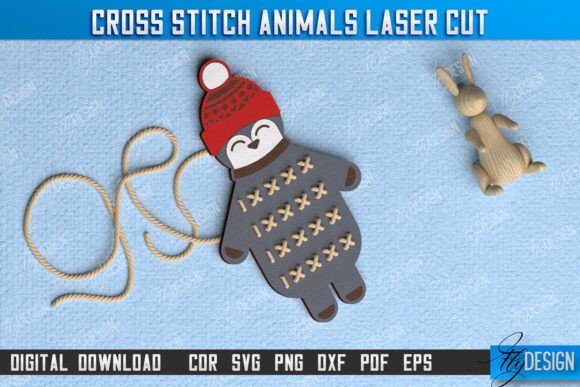
Cross Stitch Penguin Montessori Lacing Review
As an embroidery designer constantly scouting for unique aesthetics to elevate small boutique collections, I often look outside traditional apparel categories for inspiration. When I first encountered the Cross Stitch Penguin Montessori Lacing file, it was listed under Other Toys Games as a CNC asset for laser cutting machines. However, my immediate thought was not about wood or acrylic; it was about how this distinct, geometric aesthetic could translate into premium sweatshirt embroidery. For Etsy sellers and creative entrepreneurs looking to differentiate their custom apparel from generic clip art, adapting designs from unexpected sources like educational toys can yield surprisingly high-end results.
Translating Laser Lines to Stitch Density
The product description specifies that the RED line is for CUT and the BLACK line is for ENGRAVE. In the world of commercial embroidery and digital embroidery file adaptation, these vectors are gold. The "engrave" lines typically represent fine detail and texture, which translates beautifully into satin stitches or running stitch outlines in a machine embroidery design. Conversely, the "cut" lines define bold shapes perfect for fill stitches or appliqué foundations.
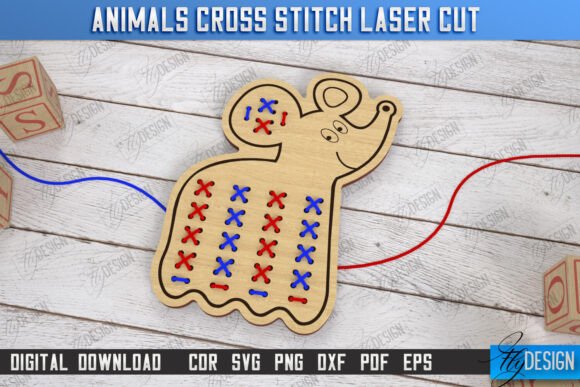
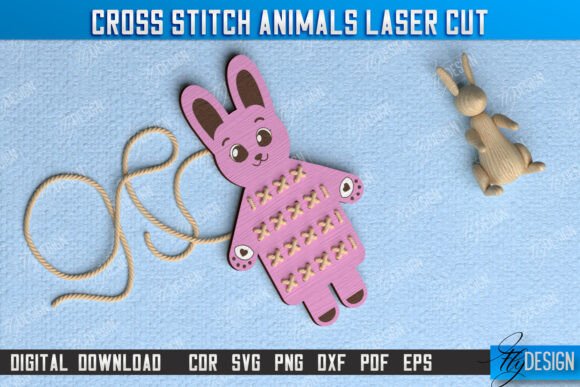
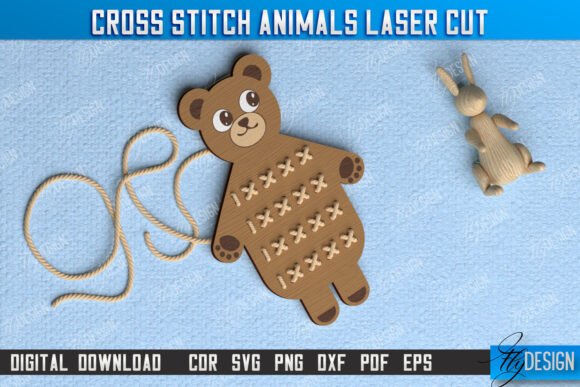
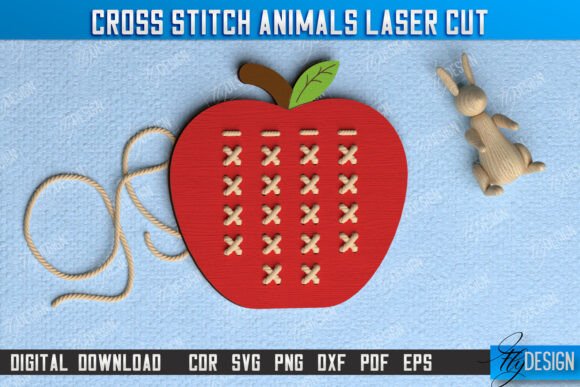
When reviewing this Cross Stitch Penguin Montessori Lacing concept for apparel, the grid-like nature of the original design offers built-in structure. Unlike organic, hand-drawn illustrations that can sometimes lose definition on heavy fabrics, the cross-stitch geometry ensures excellent small-size readability. This is crucial when placing a hoodie design on the left chest or creating sleeve accents where space is limited. The inherent pixelation of a lacing card aesthetic mimics retro knitwear, making it feel intentional and decorative rather than low-resolution.
Aesthetic Versatility Across Boutique Apparel
For a small shop product launch, versatility is key to maximizing return on investment. I evaluated how this penguin motif performs across various garment types common in handmade product lines:
- Neutral Sweatshirts: On oatmeal, sand, or heather grey French terry, the structured lines of the penguin create a rustic yet modern contrast. The design feels cozy and nostalgic, appealing to customers seeking minimalist nursery-inspired fashion.
- Dark Fabric: On charcoal or navy oversized hoodies, the design requires strategic thread color selection. Using cream or variegated threads against dark backgrounds highlights the "lacing" aspect, making the embroidery pop without needing excessive stitch density that could stiffen the fabric.
- Pastel Colors: Soft sage, dusty rose, or baby blue sweatshirts lean into the feminine and playful side of the design. Here, the Cross Stitch Penguin Montessori Lacing vibe shifts from rustic to sweet, perfect for mom-and-me matching sets or baby shower merchandise.
- Seasonal Collections: While penguins are inherently wintery, the stylized, non-realistic execution allows this to work as transitional fall wear or early spring apparel, extending the selling season beyond December holidays.
Technical Considerations for Commercial Embroidery
Adapting a Laser Cutting file for textile use requires careful technical planning. Since this asset originates from the CNC world, you must verify specific parameters before production. Always check the hoop size compatibility and ensure you have the appropriate software to convert vector lines into stitch data. Do not assume the scale is correct for apparel; what works for a 4-inch wooden toy may need resizing for a sweatshirt center chest placement.
Stitch density is the primary concern when moving from hard materials to fleece or terry cloth. The open nature of a lacing card design is actually beneficial here. It prevents the "bulletproof" effect where too many stitches make the garment unwearable. However, because the design relies on linear precision, stabilizer choice is non-negotiable. For stretchy sweatshirt fabrics, I recommend a fusible cut-away stabilizer to maintain the integrity of those straight cross-stitch lines during washing. Without proper stabilization, the geometric charm of the Cross Stitch Penguin Montessori Lacing design could distort, ruining the premium finish your boutique brand promises.
Thread colors should be tested on actual fabric swatches. The visual weight of a laser engrave line differs significantly from a 40-weight rayon or polyester thread. You may need to adjust stitch length or use a thicker thread to replicate the visual impact of the original black engrave lines. This testing phase is vital for ensuring the finished product matches your printable mockup and meets customer expectations.
Elevating Brand Identity and Buyer Trust
In the saturated market of Etsy sellers and apparel decorators, uniqueness drives sales. Using a design rooted in Montessori education signals thoughtfulness and quality to parents and gift-givers. It suggests that the clothing is not just fast fashion but a curated item with developmental or nostalgic value. This narrative enhances brand identity and fosters deeper customer engagement.
Furthermore, the clean lines associated with CNC and laser-cut aesthetics imply precision. When customers see crisp, well-defined embroidery on a lifestyle product photography shot, it builds buyer trust. They associate that visual clarity with professional manufacturing standards, even if you are a solo creative entrepreneur working from a home studio. The Cross Stitch Penguin Montessori Lacing concept bridges the gap between playful childhood themes and sophisticated adult apparel design, allowing you to charge premium prices for what might otherwise be categorized as simple novelty wear.
Practical Application for Digital Sellers
If you are selling the adapted embroidery file itself rather than physical goods, transparency is essential. Clearly state that the original source was a Laser Cutting asset and explain any modifications made for textile compatibility. Provide detailed notes on recommended fabric texture, stabilizer types, and thread colors. Digital buyers appreciate this level of professional insight, as it saves them trial-and-error time.
For those producing physical custom apparel, consider offering this design as part of a capsule collection. Pair the penguin sweatshirt with matching beanies or tote bags using the same design assets at different scales. This cohesive approach maximizes the utility of a single digital embroidery file and encourages higher cart values. Remember to always respect licensing terms; just because a file is available for CNC does not automatically grant commercial apparel rights. Verify usage permissions to protect your business and maintain ethical standards in the maker community.
Final Designer Verdict
The Cross Stitch Penguin Montessori Lacing file represents an exciting opportunity for cross-disciplinary design adaptation. Its origins in educational toys provide a structural foundation that is often missing in standard clip art, resulting in superior performance on textured apparel fabrics. While it requires technical translation from cut/engrave lines to stitch data, the payoff is a distinctive, premium aesthetic that resonates with modern boutique shoppers. Whether used for a limited hoodie drop or a core winter collection, this design proves that looking beyond traditional embroidery sources can lead to truly standout handmade products. Just remember to validate all technical specs and test thoroughly on your specific garment blanks before listing.