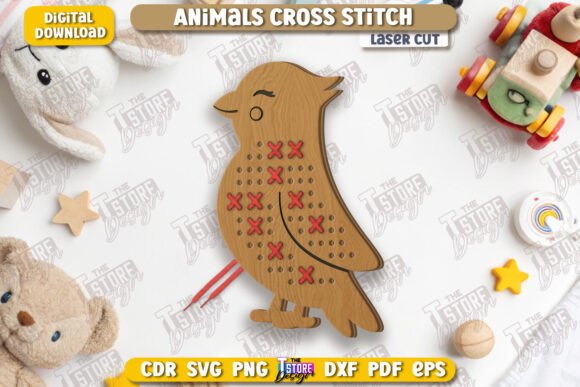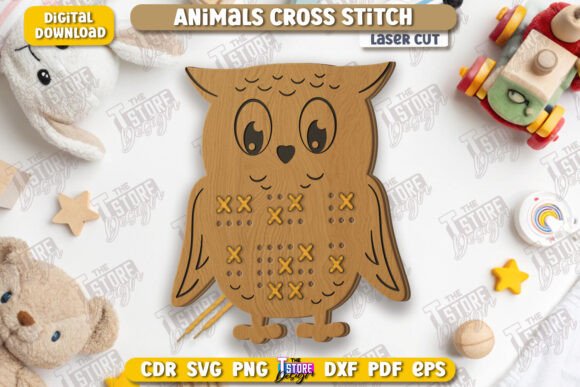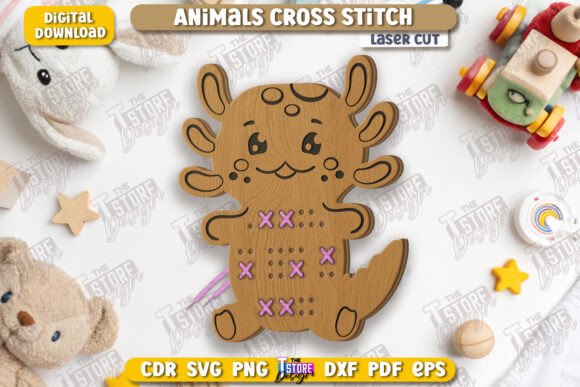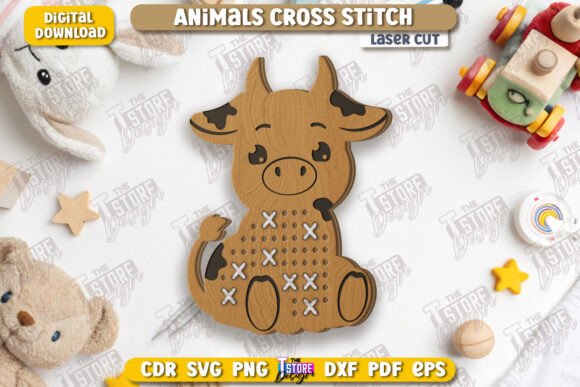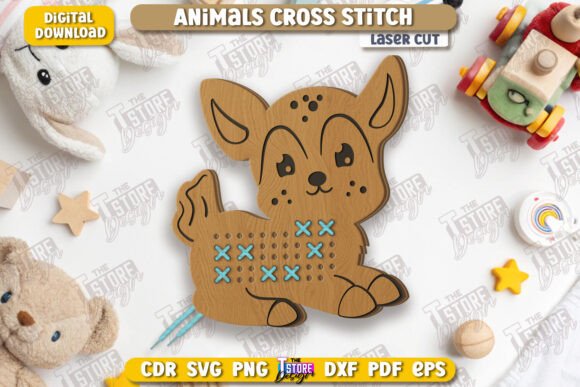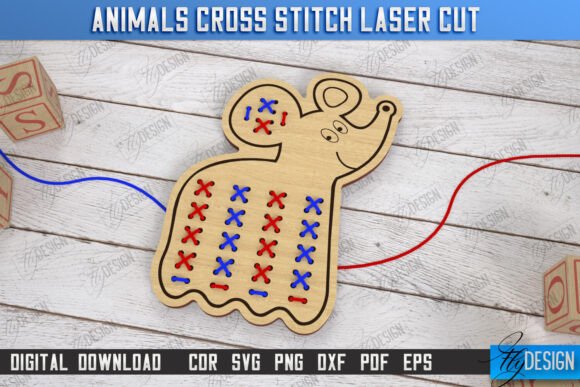
Cross Stitch Laser Cut Montessori Lacing Review
As an embroidery designer constantly scouting for unique aesthetics to elevate small boutique collections, I often look outside traditional apparel sources for inspiration. My latest discovery is the Cross Stitch Laser Cut Montessori Lacing design asset. While originally categorized under Other Toys Games and intended as a CNC file for educational toys, I see immense potential in adapting this geometric, nostalgic aesthetic for premium sweatshirt embroidery. For Etsy sellers and handmade business owners looking to differentiate their custom apparel, this review explores how translating a laser-cut lacing concept into a machine embroidery design can create a standout hoodie design or crewneck collection.
First Impressions: Translating CNC Aesthetics to Thread
When evaluating the Cross Stitch Laser Cut Montessori Lacing file for apparel use, my first impression is one of structured nostalgia. The design inherently possesses a modular, grid-based personality typical of Montessori developing games. Unlike fluid floral embroidery or bold typographic streetwear, this aesthetic relies on precision and negative space. As a digital embroidery file adapted for fabric, it evokes a rustic yet playful mood that feels intentionally crafted rather than mass-produced.
For a boutique brand, this visual language signals "thoughtful design." The cross-stitch motif suggests heritage and patience, while the lacing element introduces a tactile, three-dimensional quality even when rendered in flat thread. On a neutral sweatshirt, the design reads as minimalist and modern. However, on pastel colors or cozy seasonal apparel, it shifts toward a sweeter, more feminine vibe. It is crucial to note that because this product is primarily a Laser Cutting file, you must verify compatibility with your digitizing software before attempting to convert these vector lines into a stitch-ready format. Always check the specific hoop size and license terms provided by the creator to ensure commercial embroidery rights are included.
Placement Strategy for Boutique Apparel
The geometry of Cross Stitch Laser Cut Montessori Lacing offers versatile placement options for custom apparel. Because the design is rooted in educational toy construction, it naturally lends itself to interactive-looking layouts.
- Left Chest Placement: This is the most commercially viable option for small shop products. A scaled-down version of the lacing animal motif sits perfectly on the left chest of an oversized hoodie. It provides immediate visual recognition without overwhelming the garment's silhouette.
- Sleeve Accents: The linear nature of lacing designs makes them ideal for cuff or forearm placement. Running a vertical strip of the cross-stitch pattern down the sleeve adds a high-end detail that encourages customers to photograph and share the finished product on social media.
- Back Yoke Designs: For a bolder statement, centering the design across the upper back yoke creates a balanced focal point. This works exceptionally well on dark fabric where high-contrast thread colors can make the geometric lines pop.
When creating printable mockup previews for your Etsy listings, ensure the design’s scale looks proportional. A common mistake with intricate cross-stitch adaptations is making them too small, causing the lacing details to blur. In lifestyle product photography, style the sweatshirt with natural textures like linen pants or wooden accessories to reinforce the Montessori-inspired brand identity.
Technical Considerations for Sweatshirt Embroidery
Adapting a Laser Cutting file for textile application requires careful technical planning. Fleece and French terry fabrics have significant texture, which can obscure fine details inherent in a developing game design. As a professional, I evaluate three critical factors before running production samples.
Stabilizer and Fabric Texture Management
Sweatshirt embroidery demands robust stabilization to prevent puckering, especially with dense cross-stitch patterns. For this specific design, I recommend using a medium-weight cut-away stabilizer rather than tear-away. The continuous stitching required to mimic a lacing effect exerts lateral tension on the knit fabric. A fusible mesh topping is also essential; it flattens the fleece nap during stitching, ensuring the thread sits on top of the fabric rather than sinking in. Without this step, the delicate "lacing" illusion will be lost in the fabric texture.
Stitch Density and Thread Contrast
Because Cross Stitch Laser Cut Montessori Lacing mimics physical cord passing through holes, stitch density must be managed carefully. Overly dense satin stitches can cause bulletproofing (stiff, hard patches) on soft hoodies. Consider using a lighter fill stitch or a running stitch outline to define the lacing paths, reserving satin stitches only for the anchor points. Regarding thread colors, contrast is key. On cream or oatmeal sweatshirts, use deep terracotta, forest green, or navy threads to maintain readability. On dark garments, avoid black outlines; instead, use warm metallics or bright primaries to retain the playful, educational toy spirit of the original design.
Durability and Wash Testing
Commercial embroidery must withstand repeated laundering. Cross-stitch designs can sometimes snag if the jump stitches aren't trimmed properly or if the tension is too loose. When converting this CNC file, ensure your digitizing software optimizes jump stitch paths. Post-production, always conduct a wash test. The design should remain flexible and soft against the skin. If the embroidered area feels rigid or scratches the wearer, reduce the stitch density or switch to a finer 60-weight thread for the detailing. Buyer trust hinges on the longevity of the handmade product; a design that distorts after one wash damages brand reputation.
Elevating Brand Value Through Unique Design Assets
In a saturated market of generic apparel, utilizing unconventional design assets like Cross Stitch Laser Cut Montessori Lacing demonstrates creative entrepreneurship. Customers are increasingly drawn to items that tell a story or evoke a specific feeling of childhood wonder and craftsmanship. By bridging the gap between educational toy design and fashion, you create a niche aesthetic that is difficult for fast-fashion competitors to replicate.
This approach also enhances perceived value. When an Etsy seller or boutique owner articulates the intentionality behind a design—explaining its roots in Montessori principles and laser-cut precision—it justifies a higher price point. The design becomes more than just decoration; it becomes a conversation piece about learning, play, and artisanal quality. Furthermore, the modularity of the design allows for easy customization. You could offer variations where customers choose different animal motifs or thread colors, increasing engagement and average order value.
Final Verdict for Creative Entrepreneurs
The Cross Stitch Laser Cut Montessori Lacing concept is a refreshing departure from standard embroidery tropes. It offers small clothing brands and apparel decorators a pathway to create distinctive, emotionally resonant merchandise. However, success depends entirely on execution. Treat the source CNC file as a blueprint, not a final product. Invest time in proper digitizing, rigorous testing on actual sweatshirt blanks, and thoughtful color selection.
If you are preparing a limited drop or expanding your custom apparel line, this design direction is worth exploring. Just remember to verify all technical specifications and licensing before listing. When executed with professional attention to stabilizer choice, stitch density, and fabric compatibility, this design transforms a simple sweatshirt into a premium, storytelling garment that resonates deeply with today’s conscious consumers. Whether applied to an oversized hoodie or a cozy crewneck, the fusion of laser-cut precision and textile warmth creates a truly unique boutique offering.