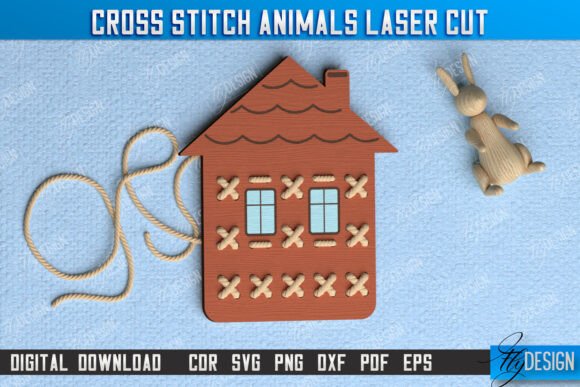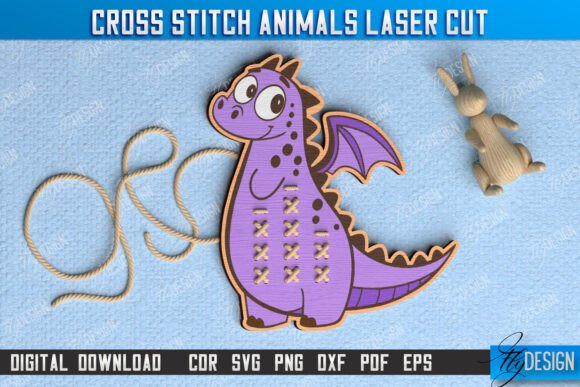
Cross Stitch Dragon Montessori Lacing Review
As an embroidery designer preparing for a busy weekend craft fair, my table display needs to tell a cohesive story while offering variety. When I evaluate a new asset like the Cross Stitch Dragon Montessori Lacing, I am not just looking at a digital file; I am visualizing how it translates into a tangible handmade product that stops shoppers in their tracks. This specific design sits at a fascinating intersection of categories. While listed under Other Toys Games and intended as a Laser Cutting CNC file, the aesthetic of cross stitch offers immense potential for textile applications. For Etsy sellers and boutique makers, bridging the gap between laser-cut wooden toys and soft goods is a powerful way to increase average order value.
First Impressions: Whimsical Meets Educational
My immediate reaction to the Cross Stitch Dragon Montessori Lacing concept is that it feels distinctly playful yet structured. The "cross stitch" aesthetic implies a pixelated, nostalgic charm that reads as both modern and traditional. Unlike fluid, realistic embroidery, this style celebrates the grid. It feels bold and cute, with a farmhouse-meets-nursery vibe that appeals strongly to parents seeking educational toys. For a craft fair booth, this design does not scream for attention with neon colors; instead, it invites interaction through its tactile suggestion. Even when rendered in thread rather than wood, the lacing concept suggests activity and development, making it a high-value visual cue for customers browsing handmade gifts.
Best Applications for Market Day Success
When planning my production run, I have to decide where this machine embroidery design will perform best. Not every embroidery file works on every substrate, and the cross-stitch dragon motif has specific strengths.
- Tote Bag Design: This is my top choice for market day. A natural canvas tote featuring the dragon in dark navy or forest green thread creates a premium small shop product. The geometric nature of cross stitch stabilizes beautifully on canvas, preventing the puckering that can plague complex designs.
- Apron Embroidery: For a coordinated booth display, placing the dragon on the chest pocket area of a linen apron adds a whimsical touch without overwhelming the garment. It signals to parents that you understand their dual identity as caregivers and individuals with style.
- Tea Towel Embroidery: Flour sack towels are a staple for Etsy seller inventories. However, because this design mimics lacing, ensure the placement allows the negative space to breathe. The texture of the towel complements the rustic feel of the dragon.
- Embroidered Patch: Given the "lacing" theme, creating standalone patches that can be sewn onto children's denim jackets or backpacks is a brilliant low-cost entry point. These serve as excellent add-on items at the register.
Production Realities and Booth Strategy
From a production standpoint, the Cross Stitch Dragon Montessori Lacing must be evaluated for repeatability. At a craft fair, I need items that are quick to produce but look labor-intensive. The beauty of a cross-stitch style digital embroidery file is that it often uses simpler satin or fill stitches arranged in grids, which can sometimes digitize more predictably than complex shading. This makes it ideal for batch production. When setting up my booth, I would pair finished embroidered textiles with the actual laser-cut wooden lacing toy if possible. This cross-merchandising validates the design source and shows customers the versatility of your brand. Photographing these items together also creates superior printable mockup content for online listings post-fair.
Critical Technical Considerations for Embroiderers
While the source description highlights RED lines for cutting and BLACK lines for engraving on laser machines, translating this to needle and thread requires careful adaptation. As experienced commercial embroidery professionals know, what works for a laser beam does not always work for a needle bar.
Managing Stitch Density and Fabric Texture
The primary risk with adapting a CNC-style graphic is stitch density. Laser files are vectors; embroidery files are physical thread layers. If the dragon’s outline is too thick in the digitized version, it may become bulletproof on lightweight fabrics. Always test on scrap fabric first. For textured towels or waffle weave, the cross-stitch effect can get lost if the stitches are too small. You may need to scale up the design or use a heavier weight thread to maintain clarity. Conversely, on curved cap surfaces, the rigid grid of a cross-stitch dragon can distort. Caps require specialized hooping and potentially a simplified version of the design assets to prevent registration issues.
Color Contrast and Visibility
Because this design relies on the illusion of lacing holes and crosses, contrast is non-negotiable. On dark fabric, ensure your thread colors provide enough pop to define the individual "stitches." A tone-on-tone approach might look elegant in a photo but will disappear in the variable lighting of a craft fair tent. I recommend high-contrast pairings: cream thread on slate blue, or rust orange on oatmeal linen. Always confirm your hoop size accommodates the full design without excessive re-hooping, as alignment marks can be tricky with geometric patterns.
Enhancing Perceived Value and Brand Consistency
Using the Cross Stitch Dragon Montessori Lacing elevates a standard finished product by adding narrative value. Customers aren't just buying a bag; they are buying into the Montessori philosophy and the craftsmanship of the cross-stitch aesthetic. This boosts perceived value significantly compared to generic clip art. For brand consistency, use this dragon as part of a larger collection. If you sell the laser-cut version, ensure the embroidered version matches the exact proportions. Discrepancies between the wood toy and the tote bag design can confuse buyers who expect uniformity. This attention to detail is what separates hobbyists from professional creative entrepreneurs.
Designer Notes Before You Stitch
Before committing to a full production run for your next market, adhere to this checklist to ensure the Cross Stitch Dragon Montessori Lacing succeeds as a textile product:
- Verify Licensing: The product description mentions CNC files. Confirm explicitly that you have the right to use this design for commercial embroidery on finished goods, not just for laser cutting.
- Create a Real Mockup: Do not rely solely on software renderings. Stitch out at least one sample on your intended selling fabric to check for pull compensation and stabilizer adequacy.
- Check Small Details: If the dragon has facial features or tiny lacing holes, verify they remain open after washing. Dense areas may require a water-soluble topping to prevent stitches from sinking into plush fabrics.
- Test Washability: Since this targets the children's market, the handmade product must withstand laundering. Ensure your stabilizer choice prevents distortion after multiple wash cycles.
- Review Spacing: In cross-stitch emulation, the spacing between "pixels" defines the look. Too close, and it looks like a solid fill; too far, and it looks messy. Adjust digitizing parameters to hit that sweet spot of handmade authenticity.
Ultimately, the Cross Stitch Dragon Montessori Lacing represents a unique opportunity to blend digital precision with handmade warmth. By respecting the technical limitations of embroidery while leveraging the nostalgic appeal of the design, craft fair sellers can create standout products that resonate deeply with their target audience. Whether applied to a sturdy market bag or a delicate baby bib, this design carries the potential to become a signature piece in your handmade business lineup.