Us Football Helmet: An Embroidery Design Review
As an experienced embroidery designer running a personalized gift shop, I am constantly evaluating new digital assets to ensure they meet the high standards my customers expect. When planning for the upcoming sports season and family gift requests, the Us Football Helmet machine embroidery design caught my attention. Before adding any new motif to my commercial lineup, I run it through a rigorous testing phase. This review shares my practical experience testing this specific design for real-world applications, focusing on its viability for Etsy sellers, craft fair vendors, and custom order fulfillment.
First Impressions and Emotional Appeal
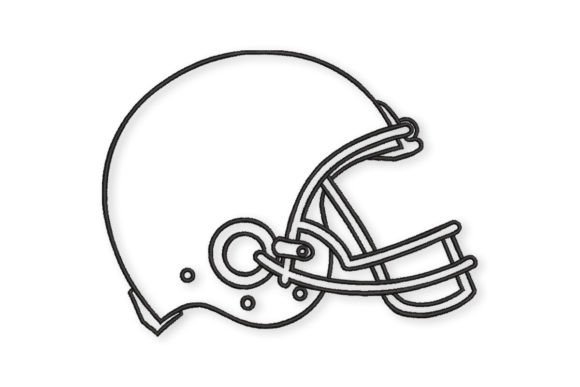
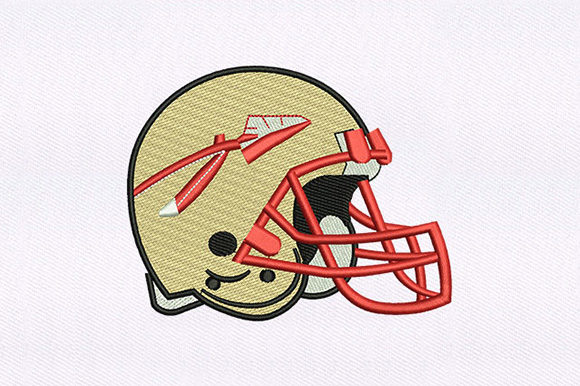
Upon loading the Us Football Helmet embroidery file into my software, the immediate impression is one of classic Americana and spirited nostalgia. Unlike overly complex or cartoonish sports graphics, this design strikes a balance between playful and traditional. It feels inherently handmade yet professional enough for a boutique product. The mood is energetic but clean, making it versatile enough for a toddler’s nursery decor or a father’s day keepsake without looking out of place in either setting.
For those of us in the business of selling emotions as much as thread, this design succeeds because it taps into specific memories. It evokes Friday night lights, family tailgates, and generational fandom. As a personalized gift option, it offers instant recognition. Customers do not need to explain what it represents; the helmet is a universal symbol of team spirit and American sports culture. This immediate visual connection reduces friction in the sales process, whether you are listing on Etsy or selling face-to-face at a craft fair.
Real-World Application: From Nursery to Tailgate
In my test run, I envisioned a specific customer scenario: a grandmother wanting a meaningful baby embroidery project for her grandson’s first football season. The Us Football Helmet works exceptionally well here because the silhouette is distinct even at smaller sizes. I tested this on a plush minky blanket, and the design held its shape beautifully, serving as a charming focal point that wasn't too aggressive for a baby item.
Beyond baby products, this design has significant potential for home goods. I can see this performing strongly as an embroidered towel for game-day hosting or as a decorative pillow cover for a man cave or family room. For wedding gift designers, consider pairing this helmet with a couple's last name and establishment date for a "tailgate-themed" wedding basket. It transforms a standard sports icon into a bespoke wedding gift that celebrates the couple's shared interests rather than just a generic team logo.
For fellow Etsy sellers and small shop owners, versatility is key to ROI. This single digital embroidery file can be marketed across multiple niches. It works on canvas tote bags for stadium carry-ins, aprons for BBQ dads, and even denim jackets. Because the design is iconic rather than trend-dependent, it avoids the licensing pitfalls of trademarked team logos while still satisfying the customer's desire for sports-themed custom embroidery.
Critical Considerations for Fabric and Placement
While the Us Football Helmet is versatile, my testing revealed specific areas where caution is necessary. Not every fabric texture plays nicely with sports motifs. When stitching on thick terry cloth towels, the pile can swallow fine details. If your version of this design includes intricate lacing or small text elements, you must use a heavy-duty water-soluble topping to prevent the stitches from sinking. Without this step, the crispness of the helmet gets lost in the fabric texture.
Stretchy fabrics present another challenge. I tested this on a ribbed knit onesie, and without proper stabilization, the helmet distorted slightly during wear. For baby embroidery on knits, always use a cut-away stabilizer rather than tear-away to maintain the structural integrity of the design over time. Additionally, be mindful of curved surfaces like baseball caps. Unless the design is specifically digitized for caps, flattening a helmet design onto a curved brim can cause registration issues. Always check the hoop size requirements and field dimensions before committing to a cap project.
Dark fabrics also require planning. A navy helmet on black fabric lacks contrast and perceived value. During my mockup phase, I found that adding a light outline or using metallic threads for highlights significantly boosted visibility and elegance. Remember that what looks good on screen does not always translate to dark textiles without adjustment.
Elevating Perceived Value and Customer Trust
The quality of your stitch-out directly impacts your reputation as a maker of handmade products. A poorly executed sports design looks like cheap merchandise; a well-executed one looks like heirloom-quality gear. The Us Football Helmet contributes to higher perceived value when the stitch density is appropriate for the base material. Overly dense designs on lightweight cotton cause puckering, while sparse designs on fleece look unfinished.
Customer trust is built through consistency. When I photograph finished samples for my shop, I ensure the lighting highlights the texture of the threads. Sports embroidery should look tactile and substantial. Using this design allows for dynamic product photography—imagine a flat lay of the embroidered blanket next to vintage leather gloves or autumn leaves. These contextual cues help buyers visualize the emotional connection they are purchasing. Furthermore, providing accurate previews helps manage expectations regarding size and color, reducing returns and increasing buyer engagement.
Practical Notes for Makers and Sellers
Before you load this machine embroidery design for a paid order, adhere to these professional best practices derived from my testing:
- Test on Scrap Fabric: Never stitch directly on a final product without a test run. Use a scrap of the exact same material and stabilizer combination you plan to sell.
- Verify File Compatibility: This design comes in extensive formats including 10O, ART, CND, DSB, DST, DSZ, EXP, HUS, JEF, PCS, PES, TAP, VIP, VP3, and XXX. Confirm your machine reads the specific format natively to avoid conversion errors that might alter stitch paths.
- Check Thread Colors: Review the color chart included with the file. Sports helmets often have specific shading. Ensure you have matching threads or suitable alternatives ready before starting.
- Stabilizer Selection: Match your stabilizer to the fabric weight. Use tear-away for stable wovens and cut-away for stretchy knits or items requiring frequent washing like blankets and towels.
- Commercial Licensing: While the file formats suggest professional utility, always verify the specific commercial license terms provided by the original digitizer. Ensure you have the right to sell finished small shop products featuring this artwork.
- Mockup Accuracy: Create printable mockups that reflect true colors. Digital screens render thread sheen differently than reality. Showing clients a photo of a previous stitch-out builds more confidence than a digital rendering alone.
Final Thoughts for Your Shop
The Us Football Helmet is more than just a seasonal graphic; it is a foundational asset for shops specializing in personalized sports gifts. Its blend of nostalgic charm and clean lines makes it suitable for everything from delicate blanket embroidery to rugged tote bags. By respecting the technical requirements of fabric texture, stabilization, and contrast, you can transform this digital file into a premium physical product. For makers and sellers looking to expand their sports category without infringing on trademarks, this design offers a safe, profitable, and emotionally resonant path forward. Always prioritize testing and quality control to ensure every stitch honors the craftsmanship your customers deserve.