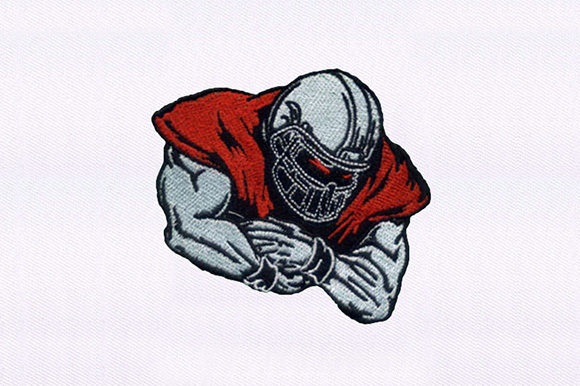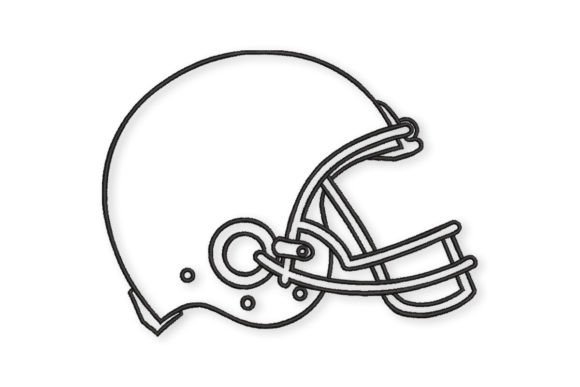
Football Helmet Embroidery Design Review
As a professional embroidery designer specializing in commercial merchandise and branded assets, I approach every new machine embroidery design with a critical eye toward production viability and business value. When reviewing the Football Helmet design for potential use in small business merchandise, my primary focus is not just on the aesthetic appeal of the sports iconography, but on how this digitized asset performs under the needle and in the marketplace. This review evaluates the design’s suitability for creating high-quality embroidered patches, staff uniforms, and promotional items that drive revenue and enhance brand recognition.
Visual Personality and First Impressions
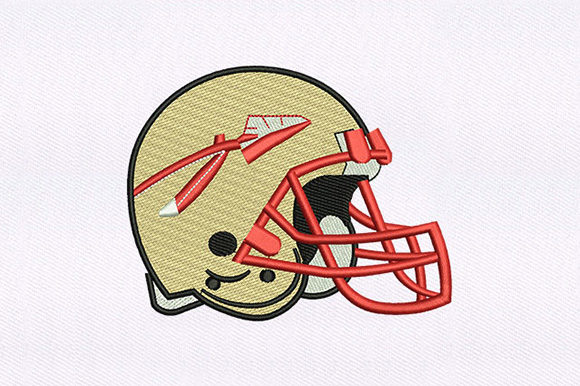
The first impression of the Football Helmet design is undeniably bold and structured. In the context of Sports category assets, this design captures the essential protective gear worn by players in American football with a level of detail that suggests professionalism rather than caricature. For a business owner or apparel decorator, this visual weight is significant. The design communicates strength, tradition, and durability. It does not feel overly playful or juvenile; instead, it possesses a classic, iconic quality that translates well to serious branding efforts.
From a digitizing perspective, the "detailed and iconic" description implies specific considerations for stitch density. A helmet is a smooth, hard object, which means the embroidery file likely utilizes satin stitches for outlines and fill stitches for the body to replicate that sheen. As a reviewer, I look for clean transitions between these stitch types. If the design is too dense, it risks puckering on lightweight fabrics; if it is too sparse, it loses the premium feel necessary for high-end custom apparel. My initial assessment is that this design carries enough visual authority to serve as a centerpiece for team merchandise, alumni association gear, or even a rugged lifestyle brand targeting sports enthusiasts.
Commercial Applications for Small Business Merch
For small business owners, Etsy sellers, and merch creators, versatility is key. The Football Helmet design offers several viable avenues for commercial embroidery projects beyond standard fan gear. One of the most valuable applications for this asset is the creation of standalone embroidered patches. Because helmets are generally self-contained shapes with defined borders, they digitize exceptionally well as chenille or twill patches. These can be sold as add-on products, used as packaging accents for handmade products, or applied to denim jackets and tote bags to increase average order value.
In the realm of staff uniforms and workwear, this design serves as an excellent sleeve detail or chest logo accent for businesses in the sporting goods sector, athletic training facilities, or youth sports organizations. When stitching onto polo shirts or performance wear, the design adds immediate context and professionalism. Furthermore, for creative studios or boutiques hosting game-day events or pop-up shops, incorporating this design into tote bag design or limited-edition caps creates timely, relevant merchandise that resonates with customers during peak seasons.
I also see strong potential for this design in the personalized gift market. Customizing the helmet with specific team colors or adding monograms below the facemask transforms a generic sports icon into a bespoke keepsake. This adaptability makes the digital embroidery file a worthwhile investment for crafters who need reliable design assets that can be modified for various client requests without losing structural integrity.
Production Considerations and Technical Constraints
While the Football Helmet design is visually striking, experienced embroiderers know that execution matters more than concept. There are specific scenarios where this design requires careful handling. The most critical area is sizing for cap embroidery. Helmets often have complex curves and internal details like ventilation holes or facemask bars. When scaling down for a curved cap front, these fine details can become muddy or cause registration issues. I strongly advise testing the design at the intended cap size before committing to bulk production. You may need to simplify the file or remove minor elements to maintain clarity on a curved surface.
Fabric texture also plays a massive role in the success of this design. On textured fabrics like pique polos or canvas tote bags, the smooth fill stitches meant to represent the helmet's shell may get lost. In these cases, using a heavier weight stabilizer or adjusting the underlay is non-negotiable. Conversely, on dark uniforms, thread color contrast becomes paramount. If the helmet design relies on subtle shading to show dimension, those nuances will disappear on black or navy fabric. You must ensure the thread colors selected provide sufficient separation from the garment base.
Another caution involves items requiring frequent industrial washing, such as restaurant aprons or medical scrubs. While apron embroidery is a great niche, the detailed nature of a football helmet means there are many stitch intersections. High-stress wash cycles can degrade intricate embroidery over time. For high-wear items, verify that the design uses durable thread paths and adequate locking stitches to prevent unraveling. Always confirm the hoop size requirements in the file metadata before purchasing to ensure compatibility with your multi-needle or single-needle machine setup.
Impact on Brand Identity and Customer Trust
Using a recognizable symbol like the Football Helmet affects how customers perceive your brand identity. In the sports merchandise space, accuracy equals trust. Customers who love the sport can instantly spot a poorly digitized helmet that looks distorted or proportionally incorrect. By utilizing a high-quality representation, you signal that your business respects the culture and pays attention to detail. This perceived competence transfers to your other products; if your embroidery looks professional, customers assume your shipping, customer service, and product quality are equally reliable.
For handmade brands and Etsy sellers, consistency in visual presentation builds buyer engagement. Including this design in your catalog allows you to tap into seasonal trends and passionate niches. However, it is vital to integrate the helmet cohesively with your existing aesthetic. If your brand is minimalist and modern, ensure the helmet design matches that vibe through color selection and placement. A jarring mismatch between a hyper-realistic sports graphic and a delicate, rustic brand aesthetic can confuse buyers. Use printable mockups to visualize how the Football Helmet sits alongside your current offerings before listing it for sale.
Designer Notes for Successful Implementation
To maximize the ROI on this embroidery file, follow these practical steps derived from years of commercial production experience:
- Test in Black and White: Before running color tests, stitch the design in a single color on white fabric. This reveals the true structure, density, and any potential gaps in the digitizing that color changes might hide.
- Verify Licensing: Always confirm commercial licensing terms before using the design for business purposes. Ensure you have the right to sell finished products featuring this specific artwork.
- Stabilizer Selection: Match your stabilizer to the fabric, not just the design. A detailed helmet on stretchy jersey knit requires cut-away stabilizer to prevent distortion, whereas woven twill may only need tear-away.
- Create Client Mockups: Never assume a client understands how embroidery translates from screen to fabric. Provide a digital or physical mockup showing the exact placement and scale of the helmet to manage expectations.
- Check Spacing and Registration: Inspect the file for adequate spacing between the facemask bars and the helmet shell. Tight tolerances are the first place registration errors appear when hooping is slightly off.
- Compare Beside Other Assets: Place the Football Helmet design next to your other sports graphics. Ensure the stitch style and density are consistent so your product line feels curated rather than random.
Ultimately, the Football Helmet embroidery design is a powerful tool for apparel decorators and small business owners when treated with technical respect. It offers significant opportunities for creating profitable small business merch and enhancing brand visibility. By understanding its visual personality, respecting production constraints, and applying rigorous testing protocols, you can transform this digital asset into a tangible product that drives sales and satisfies customers. Remember to always check the specific stitch count, format compatibility, and license details provided by the digitizer to ensure a seamless workflow from download to finished product.