Cute Spring Garden Caterpillar: A Merch Review
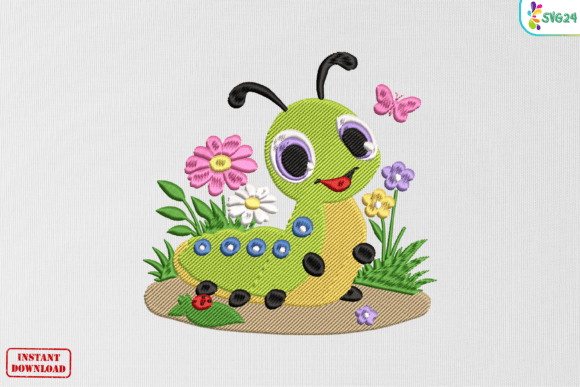
As an embroidery designer who specializes in commercial branding and small business merchandise, I approach every new machine embroidery design with a critical eye. When evaluating the "Cute Spring Garden Caterpillar" for potential business use, my first impression is that it strikes a delicate balance between playful charm and professional clarity. The description promises cheerful spring vibes with a smiling green caterpillar surrounded by colorful flowers, grass, and butterflies. For businesses in the Bugs Insects category or those aiming for a nature-inspired aesthetic, this artwork offers significant versatility. However, moving from a digital concept to a tangible finished product requires careful technical assessment to ensure it performs well on branded goods.
Visual Personality and Brand Alignment
The visual personality of Cute Spring Garden Caterpillar leans heavily into friendly, approachable, and organic territory. From a branding perspective, this design communicates warmth and accessibility rather than corporate rigidity. For a local bakery, florist, or pet brand, this aesthetic is invaluable. It suggests a handmade product ethos even when produced via commercial embroidery machines. The inclusion of environmental elements like grass and flowers provides necessary framing, which helps anchor the design on garments without looking like a floating sticker.
However, business owners must consider if this level of whimsy aligns with their specific brand identity. While perfect for a children’s boutique or a garden center, it may require adaptation for more formal uniforms. The key strength here is emotional engagement; customers respond positively to character-driven art, making this an excellent candidate for building recognition and trust in creative industries. When used correctly, it elevates small business merch from generic promotional wear to desirable collectibles.
Performance Across Commercial Applications
In real-world business scenarios, Cute Spring Garden Caterpillar shows promise across multiple substrates. Its composition suggests it could function beautifully as an embroidered patch. Patches are ideal for this type of detailed illustration because they allow for higher stitch counts and cleaner edges on a stable base before being applied to textured fabrics. For staff uniforms at a café or creative studio, a patch version maintains professionalism while adding personality.
For apron embroidery, the design serves as an excellent left-chest accent. Aprons provide a flat, stable surface that accommodates the surrounding floral details without distortion. Similarly, as a tote bag design, the garden theme resonates with eco-conscious consumers, reinforcing the natural vibe of reusable merchandise. I can also envision this working as a sleeve detail on work shirts for landscaping or botanical businesses, where the insect motif directly relates to the service provided. For Etsy sellers, this design adds value to digital assets when marketed specifically for spring collections or nature-themed craft projects.
Technical Constraints and Production Warnings
Despite its charm, Cute Spring Garden Caterpillar presents specific challenges that apparel decorators must navigate. The most critical concern is scaling. Designs featuring facial expressions and intricate botanical elements often suffer when reduced to small patch sizes or cap fronts. If the caterpillar’s smile or the butterfly wings become too dense, the result will be thread breaks and poor definition. Always verify the minimum recommended size in the embroidery file specifications before attempting to resize for cap embroidery or pocket logos.
Stitch density is another factor requiring vigilance. Colorful flowers and grass imply multiple thread changes and potentially heavy coverage. On lightweight fabrics or performance wear, this density can cause puckering or fabric damage. You must pair this design with the correct stabilizer and potentially adjust the underlay in your digitizing software. Additionally, high-contrast thread colors are essential; if the green caterpillar blends too closely with a dark green uniform, the design loses its impact. Test on dark fabrics first to ensure the outline or background elements provide sufficient separation.
Fabric texture also dictates success. While this design likely shines on smooth cotton or twill, it may lose detail on terry cloth towels or ribbed knits. For items needing frequent washing, such as chef coats or salon aprons, ensure the satin stitches are secure and the fill patterns are durable enough to withstand industrial laundering without fraying.
Strategic Value for Business Growth
Integrating Cute Spring Garden Caterpillar into your product line affects more than just aesthetics; it influences perceived value. High-quality embroidery signals attention to detail, which translates to customer trust. When a client receives a gift or purchases merchandise featuring this design, the tactile nature of the thread creates a premium feel that screen printing cannot replicate. This is particularly relevant for custom apparel where the goal is to create a lasting connection with the buyer.
Furthermore, consistent use of this design asset across various touchpoints—from packaging accents to event merch—strengthens visual consistency. For handmade brands, it bridges the gap between artisanal charm and scalable production. By offering this design as part of a cohesive collection, you encourage repeat engagement. Buyers who connect with the spring garden theme are more likely to purchase complementary items, increasing overall sales velocity.
Essential Designer Notes for Implementation
Before running production batches of Cute Spring Garden Caterpillar, adhere to these professional best practices to avoid costly mistakes:
- Verify Licensing: Confirm that the digital embroidery file includes commercial licensing rights. Personal use licenses do not cover selling branded merchandise or using the design for business promotion.
- Create Printable Mockups: Before stitching, generate a printable mockup to show clients or stakeholders how the design scales relative to the garment. This manages expectations regarding size and placement.
- Test in Black and White: Run a grayscale test stitch-out first. This reveals whether the design relies solely on color contrast or if the structural digitizing supports the image independently.
- Check Hoop Size Compatibility: Ensure the design fits within your machine’s maximum sewing field without excessive re-hooping. Multi-position hooping increases production time and alignment risks.
- Evaluate Thread Contrast: Review the color palette against your actual inventory. Subtle shade variations in flowers may need simplification to reduce changeovers and improve production efficiency.
- Inspect Spacing and Kerning: If text is added to the design later, ensure adequate spacing between the lettering and the caterpillar’s body to prevent needle strikes or visual clutter.
- Sample on Real Fabric: Never assume a design will work based on screen visualization. Stitch a sample on the exact material intended for the final run to test stabilizer performance and tension.
- Compare Beside Other Assets: Place this design next to your existing logo or brand icons. Ensure the style weight matches so the Cute Spring Garden Caterpillar doesn't look out of place in your broader catalog.
By treating Cute Spring Garden Caterpillar as a strategic business asset rather than just a decorative element, you maximize its return on investment. Whether used for commercial embroidery services or internal branding, success lies in respecting the technical limitations of the medium while leveraging the emotional appeal of the artwork. Always prioritize testing and quality control to ensure this cheerful design translates perfectly from screen to stitch.