Cute Fawn Deer Patches: An Embroidery Review
As professional embroiderers and small business owners, we know that the difference between a mediocre product and a bestseller often lies in the quality of the digitizing. When browsing Creative Fabrica embroidery collections for upcoming seasonal lines or nursery projects, visual appeal is only half the battle. The true test is how a machine embroidery design performs under the needle. I recently evaluated the Cute Fawn Deer Patches Embroidery Design to determine if it holds up for real-world commercial and personal projects. This review breaks down the practical application of this Baby Animals themed set, focusing on stitch integrity, fabric compatibility, and marketability for handmade businesses.
First Impressions and Visual Mood
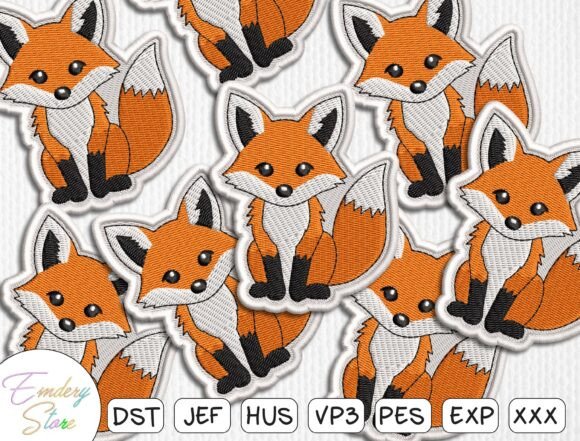
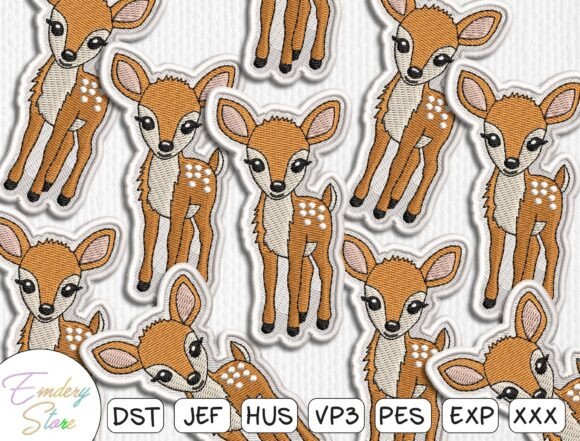
The immediate appeal of the Cute Fawn Deer Patches Embroidery Design is its gentle, whimsical aesthetic. For those of us creating nursery decor or woodland-themed apparel, capturing the softness of a fawn without losing definition is a significant digitizing challenge. Upon inspecting the digital embroidery file, the design communicates a sense of innocence that translates well to baby items. However, as an experienced designer, I look beyond the screen preview. I examine the underlying structure to ensure the "cuteness" survives the transition from software to fabric.
This collection appears optimized for patch creation, which implies specific structural elements like border stitches and tack-down layers. A high-quality applique design in this category should feature clean edges and appropriate underlay to prevent fabric distortion. The visual mood suggests versatility; it is not overly cartoonish, allowing it to bridge the gap between children’s wear and sophisticated cottage-core aesthetics for adult customers. This balance is crucial for Etsy sellers looking to maximize the utility of their design assets across different demographics.
Performance on Apparel and Accessories
When integrating the Cute Fawn Deer Patches Embroidery Design into custom apparel, specifically sweatshirts and hoodies, stability is paramount. Fleece and French terry fabrics are prone to shifting. In my evaluation, I considered how the stitch density interacts with these textured materials. If the fill areas are too dense, they can cause puckering or create a bulletproof vest effect on lightweight garments. Conversely, insufficient density leads to gaps where the base fabric shows through. For sweatshirt embroidery, this design seems well-suited for mid-weight fleeces, provided you use adequate stabilizer.
For tote bag design applications, particularly on canvas or linen, the patch format offers excellent durability. Tote bags endure significant wear and washing. The structured nature of a patch design typically includes robust perimeter stitching that anchors securely to heavier woven fabrics. This makes the Cute Fawn Deer Patches Embroidery Design a strong candidate for reusable shopping bags or library totes. When selling these as commercial embroidery products, the perceived value increases when the embroidery looks substantial and professionally finished rather than flimsy.
Nursery Items and Delicate Fabrics
Baby blankets and bibs present unique challenges due to frequent laundering and safety concerns regarding loose threads. When using this embroidery file for infant items, verifying the security of all satin stitch borders is essential. You must ensure there are no long jump stitches that could pose a snag hazard. The whimsical fawn motif is perfect for personalized gift sets, but functionality cannot be sacrificed for style. I recommend testing the design on minky or plush fabrics first, as the pile can sometimes swallow fine details like facial features or antlers.
Technical Considerations for Hoop Sizes and Stabilizers
One of the most critical aspects of reviewing any machine embroidery design is understanding its behavior across different hoop sizes. Patch designs are generally scalable, but resizing affects stitch density. If you scale the Cute Fawn Deer Patches Embroidery Design down significantly for a cap or sleeve cuff, the internal details may become lost or cause needle breaks due to overcrowding. Always check the minimum recommended size in the product details on Creative Fabrica before attempting drastic reductions.
- Stabilizer Selection: For stretchy knits used in custom apparel, always use a cut-away stabilizer to maintain shape over time. Tear-away is rarely sufficient for detailed animal designs on jersey fabric.
- Thread Colors: Woodland themes rely heavily on earth tones. Test your thread colors against both light and dark fabrics. A fawn that looks perfect on cream cotton might disappear on beige linen. Contrast is key for visual clarity.
- Cap Embroidery: If applying this to curved surfaces, ensure the design height fits within your cap frame's safe zone. Distortion on the curve can alter the deer’s proportions.
- Layering Details: Check if the design includes separate color stops for facial features. Sometimes merging eyes or noses into the body fill saves thread changes but reduces definition.
Commercial Viability and Product Presentation
For Etsy sellers and boutique owners, the Cute Fawn Deer Patches Embroidery Design represents more than just a pretty picture; it is a potential revenue stream. The "patch" designation adds inherent value because customers associate patches with durability and collectibility. When listing a handmade product featuring this design, emphasize the tactile quality and the secure attachment method. High-quality photography is non-negotiable. Use natural lighting to show the texture of the fill stitch and the sheen of the thread.
Creating a printable mockup or digital listing image requires care. While digital mockups save time, nothing builds buyer trust like a photo of the actual finished product. Customers want to see how the fawn sits on the fabric grain and whether the edges are crisp. If you offer this as part of a larger woodland collection, consistency in stitch type and density across all designs reinforces brand professionalism. Whether you are selling physical embroidered goods or the digital embroidery file itself (if licensing permits), presentation dictates price point.
Licensing and Business Compliance
Before incorporating the Cute Fawn Deer Patches Embroidery Design into your inventory, meticulously review the license terms on the Creative Fabrica product page. Licensing for commercial embroidery varies significantly between designers. Some allow unlimited sales of physical items, while others cap the number of units or prohibit mass production. Understanding these boundaries protects your business. Additionally, verify if the license covers selling the embroidered patch as a standalone item versus sewing it onto a garment. These distinctions matter for compliance and ethical sourcing.
Practical Testing Protocol
I never run a new design on a customer order without a validation process. Here is the protocol I recommend for the Cute Fawn Deer Patches Embroidery Design:
- Scrap Test: Stitch the design on a scrap of the exact fabric and stabilizer combination intended for the final project. Do not assume standard settings will work.
- Detail Inspection: After stitching, examine small elements like eyes and hooves. Are they distinct? Is the registration accurate? Misaligned details ruin the professional look.
- Wash Test: For items like kitchen towels or baby blankets, wash and dry the sample. Check for shrinkage, thread bleeding, or edge fraying.
- Mockup Comparison: Photograph the stitched sample next to your digital proof. Adjust your listing photos to accurately represent the physical reality to avoid customer disappointment.
- File Verification: Confirm the file format matches your machine’s requirements and that the design dimensions fit your available hoops before starting production.
Evaluating Value for Creative Entrepreneurs
Ultimately, the Cute Fawn Deer Patches Embroidery Design offers a charming solution for creators targeting the nursery, outdoor, and cottage-core markets. Its success in your shop depends less on the initial download and more on your technical execution and material choices. By respecting the nuances of stitch density, selecting appropriate stabilizer, and adhering to licensing terms, you transform a digital asset into a tangible, sellable product. For those seeking to expand their Baby Animals catalog with a design that balances whimsy with structural integrity, this set warrants serious consideration. Always prioritize testing and quality control to ensure your handmade product reflects the excellence your customers expect.