Red Poppy Flower Embroidery Design Review
As I prepare my inventory for the upcoming weekend craft fair, my primary goal is to curate a booth that stops traffic and converts browsers into buyers. When evaluating new design assets for commercial production, I look beyond simple aesthetics; I analyze sellability, production efficiency, and visual impact from a distance. The Red Poppy Flower Embroidery Design has caught my attention as a potential anchor piece for my floral collection. In the crowded category of Single Flowers Plants, this specific pattern promises bold floral beauty with delicate botanical details. However, before I commit to stitching out fifty units for my market table, I need to assess how this machine embroidery design translates from a digital screen to a tangible, profitable handmade product.
First Impressions: Bold Elegance Meets Market Appeal
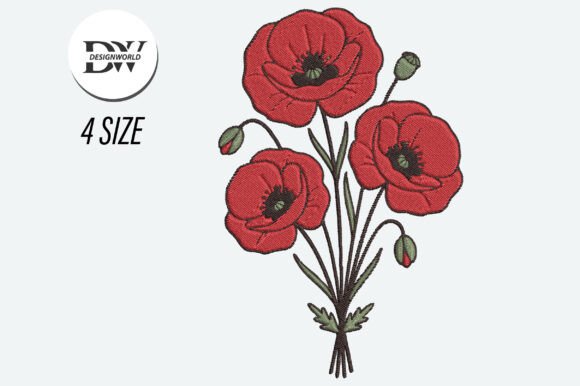
My initial assessment of the Red Poppy Flower Embroidery Design suggests a style that bridges the gap between modern farmhouse and classic botanical illustration. It does not feel overly cutesy or juvenile, nor is it so abstract that customers cannot instantly recognize the flower. This balance is crucial for a craft fair product. At a glance, the vibrant red blooms provide the high contrast necessary to be seen from three feet away in a busy venue, while the promised delicate details reward the customer who leans in for a closer look.
For an Etsy seller or boutique maker, this design reads as premium rather than generic. The description highlights "vibrant red poppy blooms," which tells me the digitizer likely prioritized color saturation and stitch direction to mimic natural petals. This is a significant selling point because flat, lifeless flowers do not move off the shelf. If the design captures the organic movement of a real poppy, it elevates the perceived value of any item it adorns, justifying a higher price point at the market booth.
Product Viability: Where This Design Sells Best
Not every embroidery file works universally across all blanks. Based on the characteristics of this Red Poppy Flower Embroidery Design, I have identified specific products where it will perform exceptionally well in a retail environment.
- Tote Bag Design: Canvas tote bags are a staple for market vendors. The bold nature of the poppy makes it an ideal focal point on natural cotton canvas. The red against cream or white fabric creates immediate visual hierarchy, making it a top seller for shoppers looking for reusable, aesthetic carryalls.
- Tea Towel Embroidery: Kitchen linens require designs that can withstand washing without losing integrity. Poppies are traditionally associated with cottage gardens, making this a perfect thematic fit. As a small shop product, tea towels offer a lower entry price point for customers who love the design but aren't ready to buy a bag or pillow.
- Apron Embroidery: For the gardening or cooking niche, this design adds a touch of sophistication. Unlike novelty aprons, a red poppy feels timeless. I would position this on the chest or lower hem to allow the botanical details to shine without interfering with the apron’s functionality.
- Embroidered Patch: If the design size allows, converting this into a patch opens up sales to denim jacket and cap customers. Patches are high-margin items at craft fairs, and floral motifs remain consistently popular in this format.
Production Reality: Stitch Density and Fabric Texture
While the visual appeal is strong, practical production concerns dictate whether a design is viable for batch manufacturing. When reviewing the Red Poppy Flower Embroidery Design for commercial embroidery, I must scrutinize the technical execution.
Evaluating Stitch Density and Stabilizer Needs
The mention of "delicate botanical details" raises a flag regarding stitch density. Intricate shading often requires higher stitch counts. On lightweight fabrics like linen tea towels, excessive density can cause puckering or fabric distortion. Before listing this as a finished product, I must test the design with appropriate stabilizer combinations. A tear-away might suffice for canvas totes, but a cut-away or water-soluble topping may be necessary for textured towels to prevent stitches from sinking into the weave and obscuring those fine details.
Fabric Texture and Color Contrast
Vibrant red thread demands careful consideration of background fabric. While white and cream are safe bets, I also want to explore dark backgrounds for evening markets. However, red on black can sometimes vibrate visually or look muddy if the underlay isn't optimized. I advise checking the thread colors specified in the file. Does the designer use multiple shades of red to create depth, or is it a single solid fill? Multi-shade designs photograph better for online listings and look more expensive in person, but they increase thread changes and production time.
Merchandising and Digital Presentation Strategy
Success as a creative entrepreneur involves more than just hooping fabric; it requires strategic presentation. The Red Poppy Flower Embroidery Design offers distinct advantages for both physical displays and digital storefronts.
Booth Display Strength
In a physical setting, color blocking is key. I plan to group items featuring this design together to create a cohesive "Poppy Collection" vignette. Because the flower is bold, it serves as a visual anchor. I would pair embroidered pillow covers with matching tote bags to encourage bundled purchases. The design's elegance allows it to sit comfortably alongside neutral, rustic wood tones and greenery in my booth display, reinforcing the handmade quality and brand consistency.
Online Listings and Mockups
For my digital audience, photography is everything. Floral designs generally perform well in printable mockup formats because the organic shapes are forgiving. However, I always recommend creating at least one real photo of the finished product. Customers need to see how the light hits the rayon or polyester threads to understand the texture. When writing descriptions for Etsy, I will leverage terms like "botanical home decor" and "wildflower embroidery" to capture search traffic relevant to Single Flowers Plants enthusiasts.
Critical Pre-Production Checklist for Sellers
Before you load this digital embroidery file into your machine for a production run, please adhere to these professional precautions to protect your business reputation and minimize waste.
- Verify Hoop Size Compatibility: Ensure the design dimensions fit your specific machine’s hoop with adequate clearance. Do not assume resizing maintains stitch integrity; altering the size by more than 10-20% can distort delicate petal edges.
- Test on Scrap Fabric First: Never stitch a new design directly onto a saleable blank. Run a test on similar weight and texture fabric to check for registration issues, especially where the delicate details meet the bold fills.
- Check Commercial Licensing: Confirm that the license permits the sale of finished physical products. Some designers restrict mass production or require attribution. Clarify this before investing in inventory.
- Inspect Small Detail Clarity: If you plan to resize the Red Poppy Flower Embroidery Design down for patches or baby items, verify that tiny satin stitches do not become dots or disappear entirely.
- Review Thread Contrast: Compare your physical thread spools against the design chart. Screen colors often differ from reality. Ensure the reds have enough variation to show dimension when stitched out.
Final Verdict for the Handmade Business Owner
The Red Poppy Flower Embroidery Design presents a strong opportunity for craft fair sellers and online shop owners seeking to expand their floral offerings. Its combination of bold visibility and intricate detail positions it as a versatile asset suitable for high-turnover items like tote bags and tea towels, as well as higher-ticket home goods. By approaching production with a focus on proper stabilization, fabric pairing, and rigorous testing, this design can become a signature element of your seasonal lineup. Remember, in the world of commercial embroidery, the difference between a hobbyist stitch-out and a professional product lies in these deliberate, thoughtful preparations. Take the time to validate the technical aspects, and this vibrant bloom is likely to yield a bountiful harvest of sales.