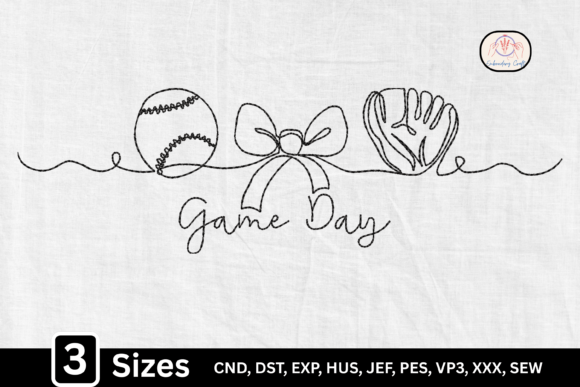
Game Day Embroidery Design: A Business Review
As an embroidery designer who specializes in commercial merchandise and branded assets, I approach every new machine embroidery design with a critical eye toward production viability and brand impact. When evaluating the Game Day design for small business use, my focus shifts beyond simple aesthetics to practical application. This American football ball motif is not just a seasonal decoration; it is a versatile asset for sports teams, local businesses hosting watch parties, and apparel decorators creating custom gear. However, like any digital asset, its success depends entirely on how well it translates from screen to fabric.
Visual Personality and Professional First Impressions
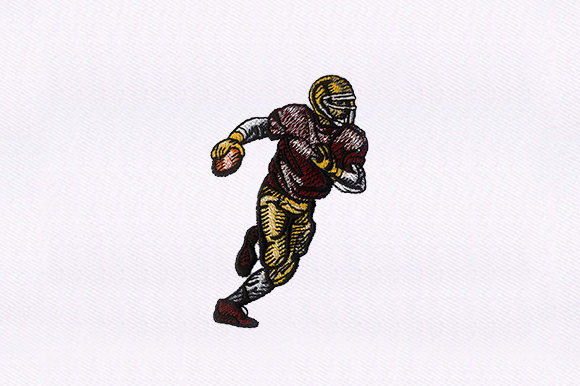
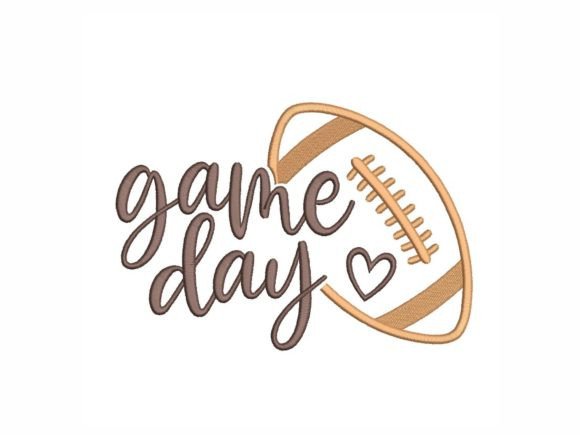
The first impression of Game Day is undeniably bold and energetic. In the context of brand identity, this design communicates action, tradition, and community. For a small business, such as a sports bar, a tailgate catering service, or a boutique selling fan gear, this visual language is immediate. It does not feel overly delicate or purely decorative; instead, it carries a rugged, athletic weight that suggests durability.
From a digitizing perspective, the shape of an American football offers distinct advantages and challenges. The oval geometry is naturally pleasing to the eye and fits well within standard hoop configurations. However, the laces and seam details are where the design earns its professional status. If these elements are digitized with clean satin stitches rather than messy fills, the result looks premium. For business owners, this distinction matters. A crisp, well-defined football signals quality custom apparel, whereas poorly defined laces can make merchandise look cheap or homemade. The design feels classic yet functional, making it suitable for both retro-style branding and modern athletic wear.
Real-World Applications for Small Business Merch
When integrating Game Day into a commercial product line, versatility is key. I have tested similar sports motifs across various substrates, and this design shows strong potential for several specific business applications.
- Embroidered Patches: The compact nature of a football makes it an ideal candidate for patches. Whether used as a morale patch for a team or a branded add-on for a denim jacket, the shape allows for easy merrowing or heat-sealing. Ensure the border is dense enough to prevent fraying during the cutting process.
- Apron Embroidery: For cafes or breweries hosting game days, placing this design on the chest or pocket area of staff aprons creates instant thematic cohesion. It acts as a uniform element without requiring a full logo redesign.
- Tote Bag Design: Canvas totes are a staple for markets and events. The Game Day motif provides a large, stable stitch-out area that anchors the bag visually. Because canvas is forgiving, this is often the safest entry point for testing the embroidery file.
- Cap Embroidery: While the football shape works on caps, it requires careful placement. Centered on the front panel, it serves as a primary logo. Rotated slightly, it can act as a dynamic accent. Cap embroidery demands precise hooping, so this design tests your machine’s registration capabilities.
For Etsy sellers and handmade brands, this design also functions excellently as a personalization anchor. Stitching a customer’s name or number beneath the football transforms a generic stock design into a high-value handmade product.
Technical Considerations and Production Risks
Despite its versatility, Game Day requires careful handling in specific scenarios. As a professional, I must highlight where caution is necessary to avoid wasted materials and unhappy clients.
Fabric Texture and Stabilizer Selection
The performance of this design relies heavily on the interaction between stitch density and fabric texture. On smooth cotton twill or polyester performance wear, the design should register cleanly. However, on textured fabrics like pique polo shirts or terry cloth towels, the laces and seams may get lost. In these cases, you must adjust your stabilizer strategy. Using a cutaway stabilizer with a water-soluble topping is non-negotiable for textured goods to ensure the fine details remain visible and the fabric does not pucker.
Size Reduction and Detail Loss
Small business owners often want to maximize utility by resizing designs. Be wary of shrinking Game Day below its intended minimum size. The laces on a football are typically composed of narrow satin columns. If reduced too aggressively, these columns can overlap, causing thread breaks or needle deflection. Always check the minimum recommended dimensions in the digital embroidery file specifications before attempting to create tiny sleeve accents or hat logos. If you need a smaller version, seek a specifically digitized "low stitch" or "cap-friendly" variant rather than manually resizing the standard file.
Washability and Durability
Merchandise intended for frequent washing, such as player equipment bags or staff uniforms, demands robust construction. Verify that the outline stitches are tied off securely and that the fill patterns have adequate underlay. Without proper underlay, the football shape may distort after the first wash cycle, damaging the perceived value of your commercial embroidery work.
Impact on Brand Value and Customer Trust
Why does the technical execution of a football design matter to your bottom line? Because in the world of branded merchandise, consistency equals trust. When a customer purchases a tote bag or receives a promotional cap, they are subconsciously evaluating your business's attention to detail.
A Game Day embroidery design that is centered perfectly, uses high-contrast thread colors, and lies flat against the garment reinforces the idea that your business is professional and reliable. Conversely, misaligned laces or puckering fabric suggests carelessness. For creative studios and florists using this design for seasonal promotions, the quality of the stitch-out reflects directly on your core services. High-quality embroidery elevates the perceived value of the item, allowing for better margins and stronger customer loyalty. It transforms a simple giveaway into a keepsake.
Designer Notes: Pre-Production Checklist
Before you load the hoop and start a production run for your shop or client, follow this professional workflow to ensure success with the Game Day design.
- Verify File Specifications: Since exact stitch counts and hoop sizes vary by vendor, always open the file in your editing software first. Confirm the dimensions fit your intended application and that the format matches your machine.
- Test in Black and White: Run a sew-out using black thread on white fabric (or vice versa) before committing to brand colors. This reveals structural issues, density problems, or registration errors that colored threads might hide.
- Create a Printable Mockup: Use software to generate a visual representation of the design on the actual garment type. Share this printable mockup with clients for approval to manage expectations regarding size and placement.
- Check Thread Contrast: American footballs are traditionally brown with white laces. If stitching on dark navy or black garments, ensure the brown thread has enough value contrast to be visible. You may need to lighten the brown or add a highlight stitch.
- Confirm Commercial Licensing: Before selling any finished product featuring Game Day, review the license terms included with the purchase. Ensure you have the right to sell physical embroidered items and understand any restrictions on digital redistribution.
- Compare Beside Other Assets: If this design is part of a larger collection of design assets, stitch them all out together to ensure style consistency. Uniformity across your product line is essential for cohesive branding.
The Game Day embroidery design is a powerful tool for small businesses and decorators when treated with professional respect. By understanding its technical requirements and strategic applications, you can turn a simple sports icon into a profitable, brand-building asset. Always prioritize testing and quality control to ensure your finished merchandise meets the standards your customers expect.