Game Day Baseball Mom: A Designer’s Stitch Review
As an embroidery designer who has digitized and stitched out countless sports motifs, I approach every new machine embroidery design with a critical eye. When evaluating "Game Day Baseball Mom," my first impression is one of spirited nostalgia mixed with modern utility. The layout immediately suggests a bold, blocky aesthetic that speaks directly to the proud parent demographic. However, before loading this embroidery file into your machine for a client order or personal project, it is vital to look beyond the digital preview and understand how this design behaves under the needle. This review breaks down the practical realities of stitching this motif for real-world applications, ensuring your finished product meets professional standards.
Visual Impact and Layout Analysis
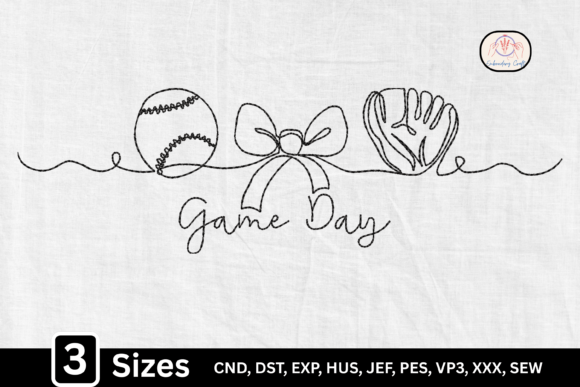
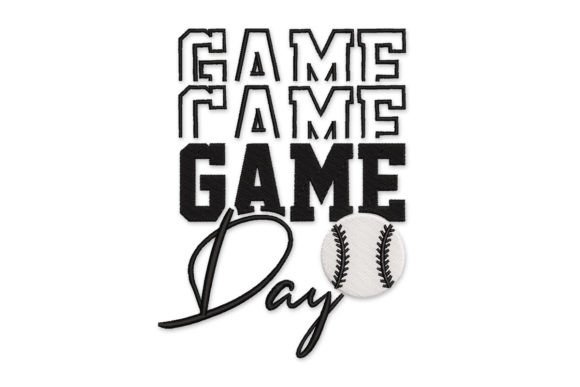
The strength of "Game Day Baseball Mom" lies in its immediate readability. From a design perspective, the hierarchy is clear; the text dominates, supported by thematic elements that reinforce the baseball identity without cluttering the composition. For an Etsy seller or craft business owner, this clarity is essential. Customers browsing thumbnails on mobile devices need to instantly recognize the theme. The design balances negative space effectively, which prevents the dreaded "bulletproof vest" effect where heavy stitch coverage makes a garment stiff and unwearable.
However, designers must verify the balance between satin stitch borders and fill stitch interiors. In sports typography, letter legibility is paramount. If the satin columns are too narrow, they risk tunneling; if too wide, they may gap. Before committing this to a high-value sweatshirt embroidery project, inspect the corner transitions. Sharp angles in block letters often require manual pull compensation adjustments during digitization to prevent the fabric from distorting. A well-executed version of this design should feel substantial yet flexible, maintaining the drape of the underlying fabric.
Real-World Application: The Custom Tote Bag Test
To truly evaluate versatility, I mentally place "Game Day Baseball Mom" onto a canvas tote bag design. Totes are a staple for team moms carrying equipment, snacks, and water bottles. This scenario presents unique challenges distinct from apparel. Canvas is stable but thick, requiring a sharp needle and potentially adjusted tension. Because tote bags endure significant wear and abrasion, the stitch density must be sufficient to anchor the threads securely into the weave without causing puckering.
In this use case, the design serves as both decoration and identification. I recommend testing the thread colors against natural unbleached canvas versus colored cotton. High contrast is necessary for visibility from a distance in a dugout or parking lot. If you are creating a personalized gift for a coach or volunteer, consider adding a name below the main motif using a complementary font. Ensure there is adequate clearance in the hoop size to accommodate customization without re-hooping, which introduces alignment risks. This design shines brightest when it feels integrated into the bag’s function rather than just stamped onto the surface.
Navigating Fabric Variables and Stabilization
Sports enthusiasts wear their gear across diverse environments, meaning "Game Day Baseball Mom" will likely be requested on everything from performance polyester to heavyweight fleece. Each substrate demands respect. Performance fabrics are notorious for shifting due to their stretch and slick texture. Using the correct stabilizer is non-negotiable here. A cut-away stabilizer provides permanent support for the embroidery project, preventing the design from warping after washing. For thinner knits, a fusible mesh backing can add necessary stability without adding bulk.
Conversely, textured fabrics like terry cloth or pique polo shirts can swallow fine details. If the design includes small decorative accents or thin running stitch outlines, they may disappear into the pile. In these instances, placing a water-soluble topping is crucial to keep stitches visible and crisp. Dark fabrics present another variable; ensure the digitizer included adequate underlay to prevent the fabric color from grinning through lighter thread areas. Always test on a scrap of the actual garment material before stitching the final custom apparel piece. What works on quilting cotton may fail catastrophically on moisture-wicking athletic wear.
Commercial Viability and Product Value
For those running a small shop product line or selling at craft fairs, "Game Day Baseball Mom" represents a specific niche with high emotional value. Parents invest significantly in youth sports, making them willing buyers of quality merchandise. However, perceived value hinges entirely on execution. Sloppy registration, loose top stitches, or poor color matching will devalue the item instantly. Professionalism builds trust. When listing this as a digital embroidery file, provide accurate metadata regarding hoop requirements and recommended fabrics to reduce customer support inquiries.
If producing physical goods, consider how this design scales. Does it work as a left-chest logo on a polo? Can it be resized for a baby embroidery onesie for the little sibling? Versatility increases ROI on design assets. Be mindful of licensing; confirm whether your purchase allows for commercial production of finished goods or if it is restricted to personal use. Clear communication about usage rights protects your business reputation. Additionally, create high-quality printable mockup images for listings. Customers need to visualize the scale and placement. A flat digital image rarely sells as effectively as a photo of the stitched design on a realistic blank.
Critical Pre-Stitch Checklist for Makers
Before you thread your needle, run through this practical evaluation list to ensure success with "Game Day Baseball Mom":
- Verify Hoop Compatibility: Confirm the design dimensions fit comfortably within your machine’s maximum stitch area with room for proper hooping tension.
- Check Small Text Legibility: If resizing down, ensure no text falls below 4mm height, as smaller satin stitches tend to shred or sink.
- Assess Stitch Count vs. Fabric Weight: Avoid placing dense designs on lightweight baby clothes or sheer fabrics to prevent tearing.
- Test Color Contrast: View the design in black and white mode in your software to ensure tonal separation exists independent of hue.
- Review Underlay Structure: Inspect the file to ensure edge-run and center-walk underlays are present for structural integrity.
- Validate Licensing: Double-check terms regarding commercial embroidery sales versus personal gifting before listing items.
- Simulate Wash Wear: For items like tea towels or blankets, perform a wash test on a sample to check for shrinkage distortion around the design perimeter.
Final Thoughts on Execution
"Game Day Baseball Mom" captures a celebratory spirit that resonates deeply with its audience, but its success relies entirely on technical competence. Whether you are an experienced digitizer tweaking parameters or a hobbyist selecting your next holiday embroidery project, treat this design as a collaboration between art and engineering. Respect the fabric, validate the file, and prioritize clean execution over speed. When done correctly, this design transforms generic blanks into cherished team memorabilia that withstands seasons of cheering, washing, and wear. Ultimately, the best handmade product is one where the craftsmanship supports the sentiment, allowing the pride of the game day mom to shine through every stitch.