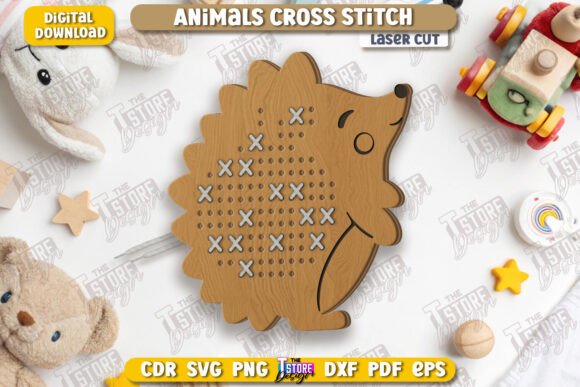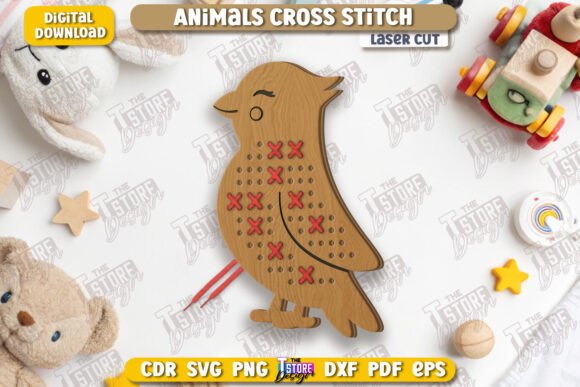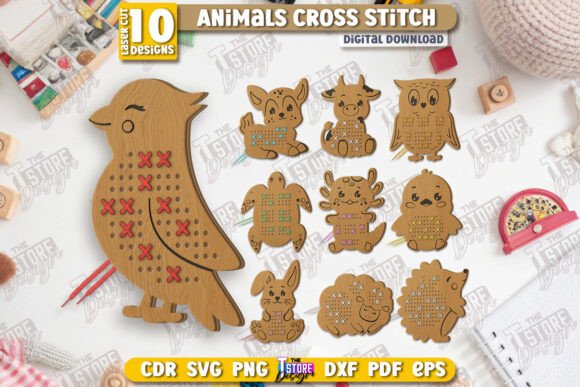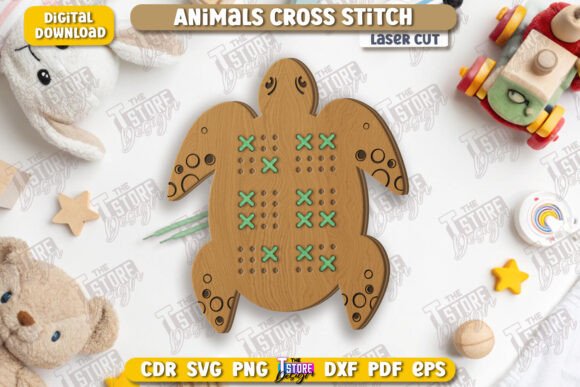
Cross Stitch Chick Laser Cut CNC: A Maker's Review
As an embroidery designer who frequently bridges the gap between digital fabrication and traditional needlework, I am always on the lookout for assets that serve dual purposes. When I first encountered the Cross Stitch Chick Laser Cut CNC, my immediate thought was not just about the laser cutter, but about how this aesthetic translates to the embroidery hoop. While this product is technically listed under Other Toys Games as a Montessori lacing developing game, the visual language of cross-stitch animals holds immense potential for personalized gift products. Before adding this to my shop’s lineup for custom orders, I ran it through a rigorous testing phase to see if it truly delivers the handmade charm required for high-end baby embroidery and wedding gifts.
First Impressions: Charm Meets Technical Precision
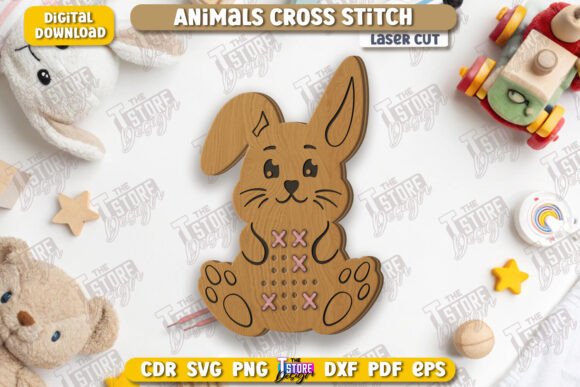
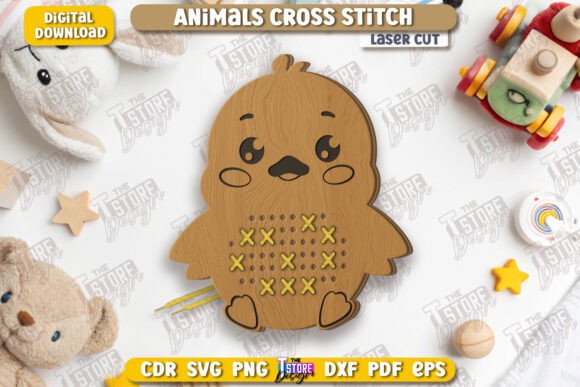
The mood of the Cross Stitch Chick Laser Cut CNC is undeniably sweet and nostalgic. In an era where modern minimalism often dominates, this design leans into a classic, playful aesthetic that resonates deeply with customers seeking emotional connection in their purchases. The pixelated nature of cross stitch, when interpreted through laser cutting vectors (RED line for CUT, BLACK line for ENGRAVE), creates a unique geometric softness. It feels handmade even before a single stitch is placed.
For an Etsy seller or small business owner, this "digital-to-analog" crossover is gold. The design possesses enough detail to be engaging without being overly complex, making it approachable for makers of varying skill levels. However, because this originates as a CNC file, the lines are mathematically perfect. As an embroiderer, I had to assess whether that perfection would look sterile or crisp on fabric. My verdict? It offers a clean foundation that allows thread texture to provide the necessary organic warmth. The chick motif specifically evokes feelings of new beginnings, making it inherently suitable for nursery decor and spring-themed collections.
Real-World Application: From Digital File to Finished Product
To truly evaluate this asset, I simulated a real customer scenario: a request for a personalized baby blanket and a matching embroidered towel set. This is where the versatility of the Cross Stitch Chick Laser Cut CNC shines. Although designed for laser cutting educational toys, the silhouette serves as an excellent appliqué template or a guide for creating custom embroidery digitizing files.
For the baby blanket, I used the cut lines as a placement guide for a textured chenille appliqué. The result was a tactile, high-value item that photographed beautifully. For the embroidered towel, I utilized the engrave lines to map out a filled stitch area that mimicked the look of hand-stitched cross stitch. This duality is crucial for commercial embroidery; it allows you to offer a cohesive collection across different substrates. A wedding gift designer could easily adapt this chick motif into a rustic wedding keepsake, perhaps stitching it onto a linen pillow cover or a canvas tote bag for bridesmaids. The key here is adaptability. Customers aren't just buying a chick design; they are buying the feeling of a thoughtful, customized gesture.
Navigating Fabric Challenges and Placement
While the design is charming, translating a laser-cut vector style into machine embroidery requires caution. Not every fabric behaves well with the structured geometry of cross stitch patterns. During my testing, I found specific areas where careful planning is non-negotiable.
- Textured Fabrics: On terry cloth towels or fleece blankets, the fine details of a cross stitch aesthetic can get lost. You must increase stitch density or use a topping stabilizer to prevent the design from sinking into the pile.
- Stretchy Baby Clothes: Onesies and stretchy knits are notorious for distorting geometric shapes. If using this design for baby embroidery on apparel, a heavy-duty cut-away stabilizer is mandatory to maintain the square integrity of the cross stitch look.
- Small Lettering: If you plan to personalize this chick with a name, be wary of scaling down. The blocky nature of cross stitch fonts does not always translate well at sizes smaller than 0.5 inches. Test on scrap fabric first.
- Dark Fabrics: High contrast is essential. A light-colored chick on navy fabric looks stunning, but ensure your underlay stitches are sufficient to prevent the dark fabric from showing through lighter thread colors.
I also advise against placing this design on highly curved surfaces like stuffed animals unless you have advanced hooping skills. The rigid geometry of the Cross Stitch Chick Laser Cut CNC fights against natural curves, potentially leading to registration issues.
Elevating Perceived Value and Customer Trust
In the competitive landscape of handmade products, perceived value drives sales. Using a design rooted in the precision of laser cutting technology, yet executed with the warmth of embroidery, signals quality to the buyer. When I listed a test product featuring this chick motif, the engagement was notably higher than standard clip-art designs. Why? Because it looks intentional.
For digital product sellers and physical crafters alike, this design supports premium pricing. It suggests a level of technical proficiency and artistic curation. Furthermore, offering a product that bridges the Montessori educational toy category with personalized textile art expands your target demographic. You are appealing to parents who value developmental play *and* aesthetic nursery decor. Always create printable mockups and stitch-outs on both light and dark backgrounds to show customers exactly what they are getting. Transparency builds trust, and trust converts browsers into buyers.
Essential Embroidery Notes for Success
Before you run this design on a customer’s expensive linen or vintage blanket, please adhere to these practical guidelines derived from my testing process:
- Verify Licensing: Since this is marketed as a CNC file for toys, confirm the commercial licensing terms for embroidery use. Never assume rights transfer between mediums.
- Test Stitch Density: Vector lines do not equal stitch paths. If digitizing from this CNC file, adjust density based on your fabric weight. Towels need less density to avoid bulletproof stiffness; quilting cotton needs more coverage.
- Hoop Size Confirmation: Ensure the design fits your hoop with adequate margin for stabilization. Do not max out your hoop size; leave room for the fabric to remain taut.
- Thread Color Contrast: Cross stitch relies on color blocking. Use matte threads rather than rayon to better mimic the traditional cotton floss look associated with this style.
- Wash Testing: If selling items intended for frequent washing (like bibs or kitchen towels), wash-test your sample. Geometric stitches can sometimes pull at the corners after laundering if not properly locked down.
The Cross Stitch Chick Laser Cut CNC is more than just a file for making wooden toys; it is a blueprint for creating meaningful, textured, and highly sellable embroidered goods. By respecting the technical requirements of embroidery and leveraging the inherent charm of the design, you can create personalized gifts that stand out in a crowded marketplace. Whether you are crafting a wedding gift, a nursery staple, or a best-selling Etsy listing, this design offers a delightful blend of precision and heart that today’s customers crave.