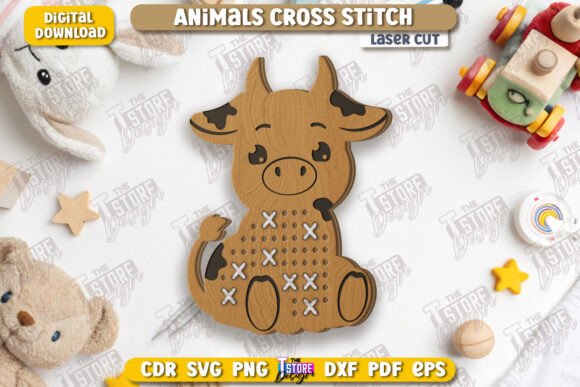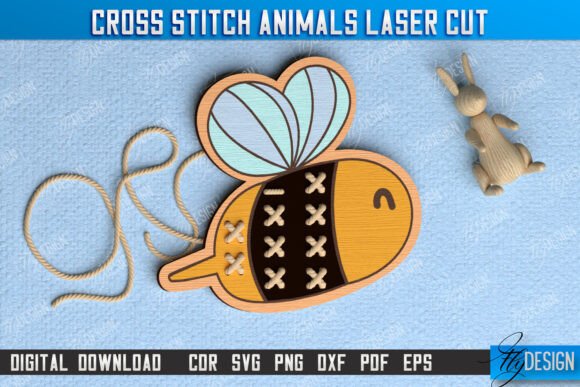
Cross Stitch Bee Montessori CNC for Sweatshirts
As an embroidery designer constantly scouting for unique aesthetics to elevate boutique apparel collections, I often look outside the traditional digitizing world for inspiration. My latest evaluation focuses on the Cross Stitch Bee Montessori Lacing CNC file. While this digital asset is primarily categorized under Other Toys Games and engineered for laser cutting machines, its geometric charm presents a fascinating opportunity for mixed-media apparel design. For small clothing brands and Etsy sellers looking to differentiate their sweatshirt drops, understanding how to adapt this laser-centric file into a premium textile application is key to creating a cohesive, high-value product line.
First Impressions: Rustic Charm Meets Modern Apparel
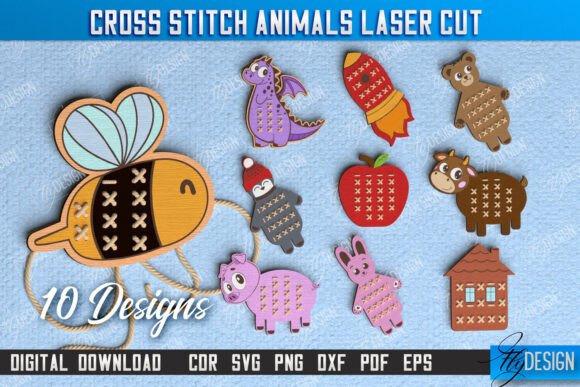
Upon reviewing the Cross Stitch Bee Montessori Lacing CNC file, the immediate impression is one of structured nostalgia. The design features the distinct grid-like aesthetic of cross-stitch combined with the playful negative space typical of Montessori lacing toys. Although the product description specifies that the RED line is for CUT and the BLACK line is for ENGRAVE on laser machines, these visual cues translate beautifully to embroidery when reimagined. The "engrave" lines suggest delicate running stitches or backstitches that define the bee’s form, while the "cut" lines indicate bold outlines perfect for satin stitch borders or appliqué placement.
For a boutique brand, this design does not feel like generic clip art. It carries a handmade product vibe that resonates deeply with customers seeking authenticity. The mood is undeniably cute yet sophisticated enough for adult-sized cozy seasonal apparel. It strikes a balance between feminine softness and rustic durability, making it versatile for both pastel spring hoodies and neutral, earth-toned winter sweatshirts. As a machine embroidery design concept, it promises a textured, tactile finish that mimics the physical depth of a wooden lacing toy, adding significant perceived value to custom apparel.
Styling the Bee Across Boutique Collections
When planning a limited sweatshirt drop, versatility is essential. The Cross Stitch Bee Montessori Lacing CNC offers surprising adaptability across different garment styles and demographics. Here is how I envision this design performing in a real-world commercial embroidery setting:
- Oversized Hoodies: Placing this design as a left-chest accent on an oversized hoodie creates a subtle, high-end streetwear look. The geometric nature of the bee prevents it from looking too juvenile, allowing it to anchor a minimalist aesthetic.
- Neutral Sweatshirts: On cream, oatmeal, or charcoal fabrics, the design serves as a focal point. Using tonal thread colors rather than bright yellows can shift the vibe from playful to decorative and artisanal.
- Pastel Seasonal Drops: For spring collections, the lacing motif pairs perfectly with soft pinks, sages, and lavenders. This targets the mom-and-me market or nursery-themed apparel without sacrificing style.
- Sleeve Accents: Because the original file is designed for laser precision, the proportions are likely clean. This makes it ideal for wrist or cuff embroidery, where small-size readability is paramount.
For Etsy sellers, this adaptability means one digital embroidery file can spawn multiple SKU variations, maximizing ROI on design assets. The visual recognition of the lacing pattern also aids in lifestyle product photography, as the texture photographs exceptionally well against knit fabrics.
Technical Considerations for Fabric Application
Transitioning a Laser Cutting file to sweatshirt embroidery requires careful technical assessment. Since the Cross Stitch Bee Montessori Lacing CNC is originally intended for rigid materials like wood or acrylic, we must account for fabric texture and stretch. As a professional, I have several practical concerns that must be addressed before production begins.
Stitch Density and Stabilizer Choice
The primary challenge with adapting CNC files for textiles is density. Laser engrave lines are single vectors, but embroidery requires fill. If you are redigitizing this for a hoodie design, avoid excessive stitch density. Heavy coverage on a sweatshirt can cause puckering and make the garment stiff. I recommend using a lightweight cutaway stabilizer to support the design without adding bulk. For the "lacing" holes depicted in the design, consider using eyelet stitches or simply omitting them in favor of embroidered circles to maintain fabric integrity and washing durability.
Thread Color Contrast and Readability
Because this design relies on the interplay of positive and negative space (originally cut vs. engraved), thread color contrast is critical. On dark fabric, ensure your outline threads are significantly lighter than the base to maintain definition. Conversely, on light fabrics, use darker outlines to mimic the shadow effect of laser engraving. Always test your thread colors on a scrap piece of the actual sweatshirt material; digital mockups cannot replicate how matte embroidery thread interacts with fleece nap.
Hoop Size and Placement Strategy
Before purchasing or downloading, verify the dimensions. Laser files can sometimes be scaled infinitely, but embroidery has limits. Check if the provided size fits your standard hoop size or if resizing will distort the stitch count. For commercial embroidery on hoodies, center chest placement usually requires a design width between 3 to 4 inches for adults. If the Cross Stitch Bee Montessori Lacing CNC is too large or too small out-of-the-box, factor in the time or cost for professional redigitizing to ensure optimal stitch performance.
Elevating Brand Value Through Mixed-Media Design
In the saturated market of handmade apparel, utilizing unconventional design sources like the Cross Stitch Bee Montessori Lacing CNC signals creativity and intentionality. Buyers trust brands that offer something beyond standard catalog designs. By integrating a motif rooted in educational toys and laser craftsmanship, you tell a story of precision and childhood wonder woven directly into the garment.
This approach enhances buyer trust because the design feels curated rather than mass-produced. When listing on Etsy or your own shop, highlight this unique origin. Describe it as a "laser-inspired embroidery motif" or "Montessori-style textile art." These descriptors improve SEO and attract niche audiences interested in educational aesthetics and slow fashion. Furthermore, offering a printable mockup alongside the finished product photos helps customers visualize the scale and texture, reducing return rates and increasing engagement.
Final Verdict for Small Business Owners
The Cross Stitch Bee Montessori Lacing CNC is a compelling asset for creative entrepreneurs willing to bridge the gap between digital fabrication and textile arts. While it requires technical adaptation to function as a sweatshirt embroidery design, the potential for a unique, premium boutique product is substantial. It avoids the cliché animal tropes common in the industry, offering instead a structured, nostalgic graphic that appeals to modern sensibilities.
However, a crucial reminder: always check the license terms and file specifications before production. Ensure you have the rights to use this laser file for commercial apparel embroidery and confirm the vector quality is sufficient for digitizing. If the file lacks specific embroidery parameters, budget for a professional digitizer to convert those RED and BLACK lines into a durable, washable stitch file. When executed correctly, this design can become a signature element of your brand identity, turning a simple sweatshirt into a conversation piece that celebrates the intersection of technology and tradition.